
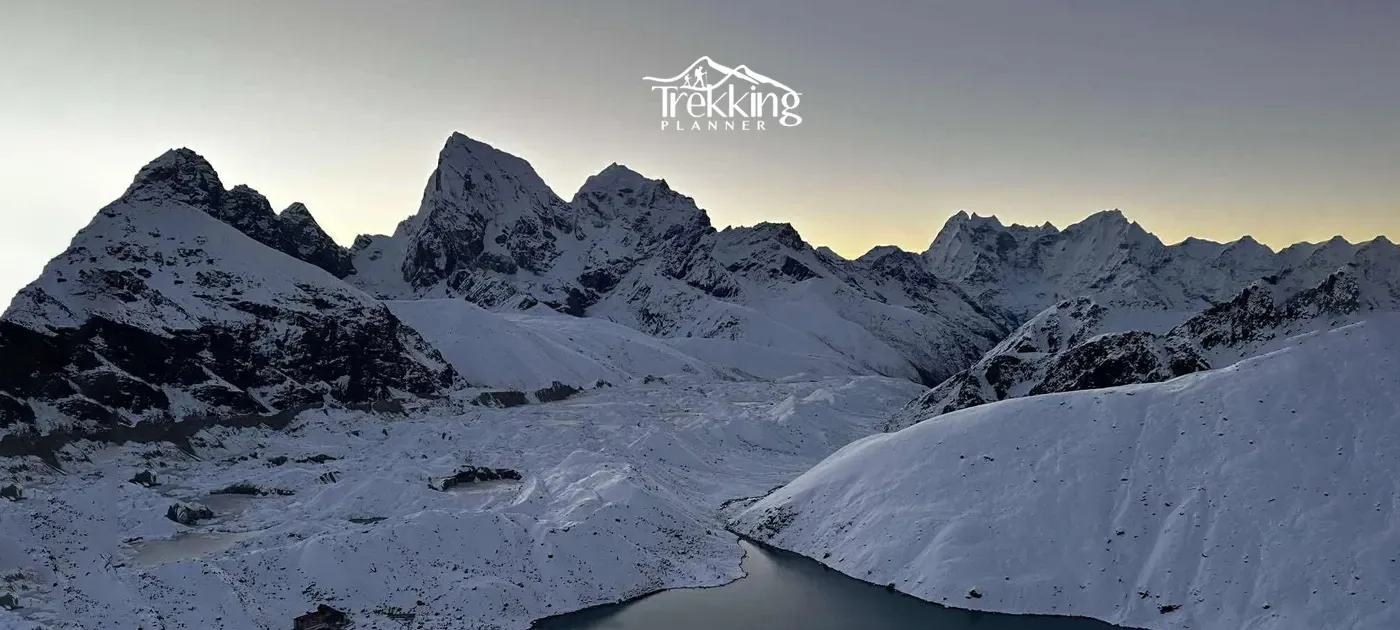
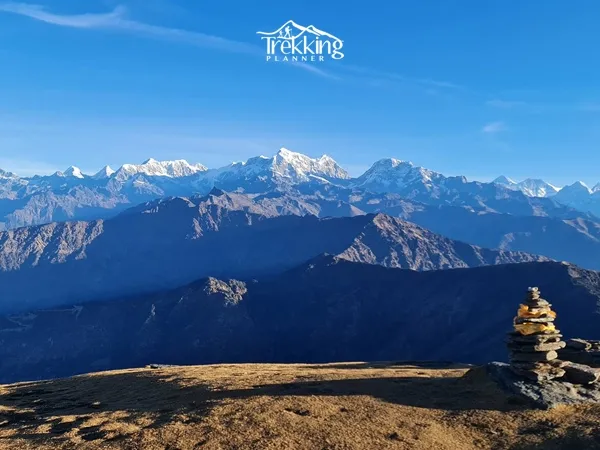
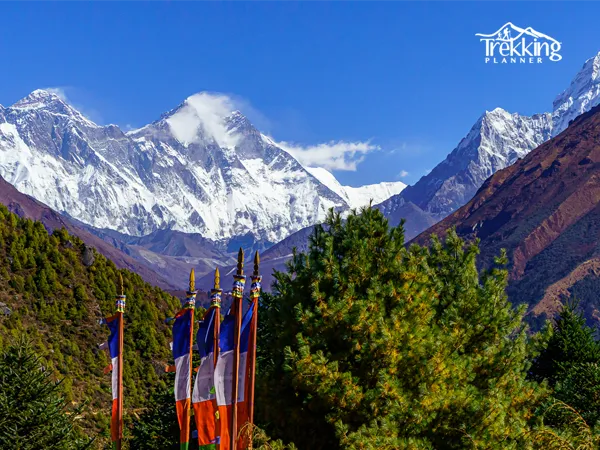
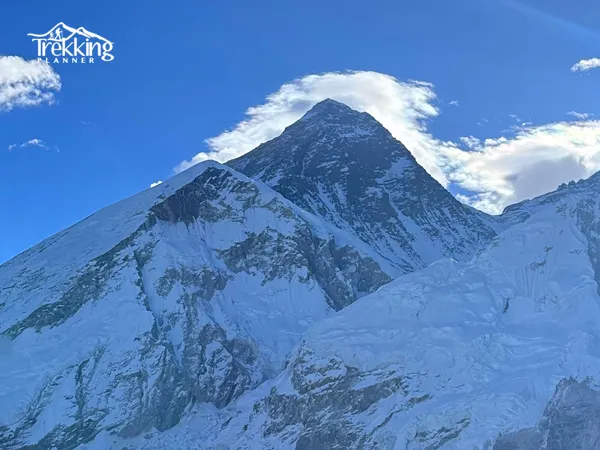
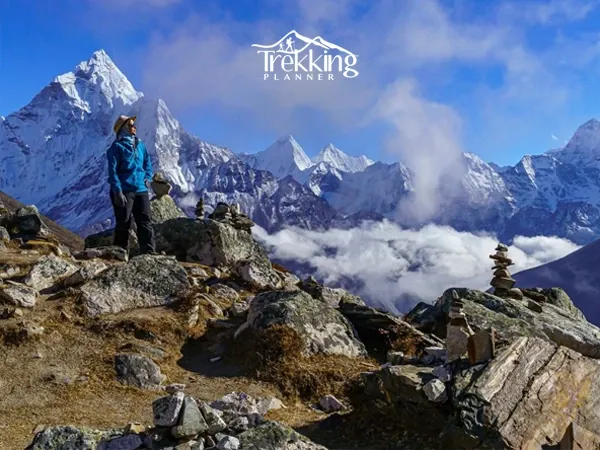
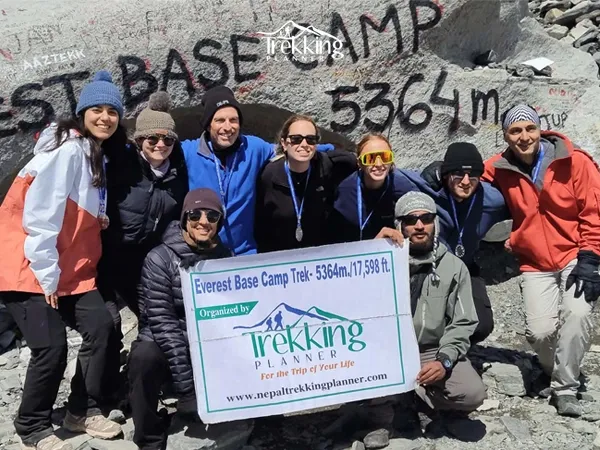

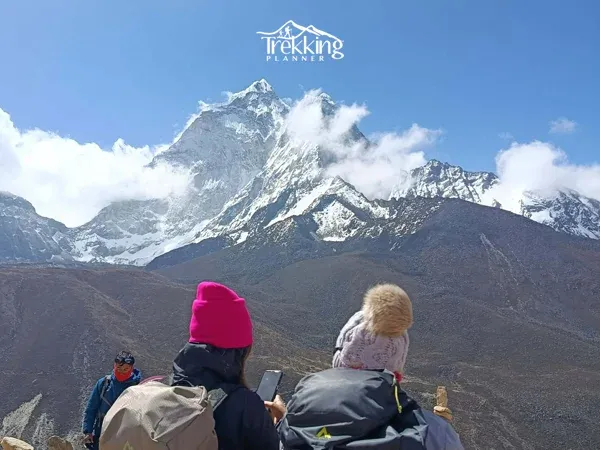
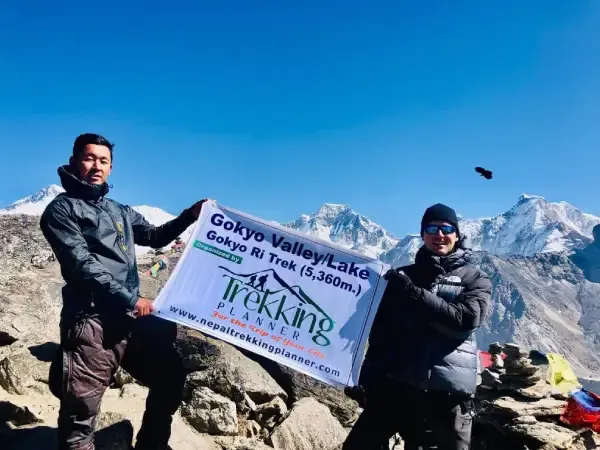
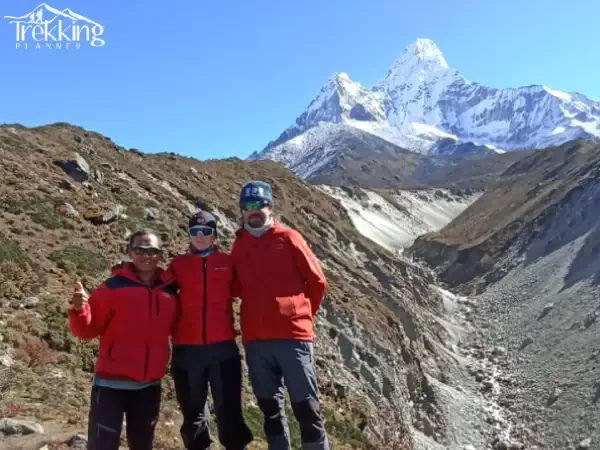
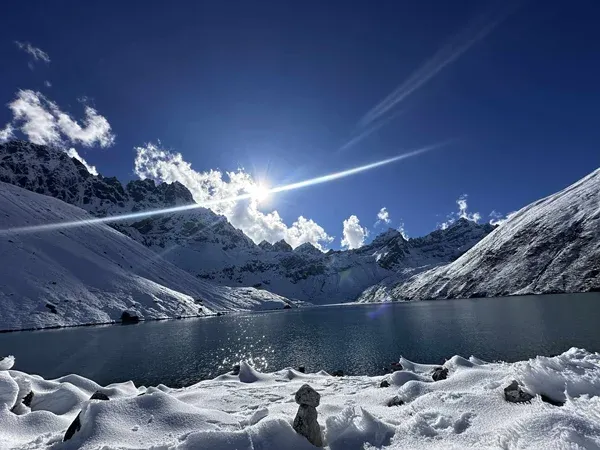
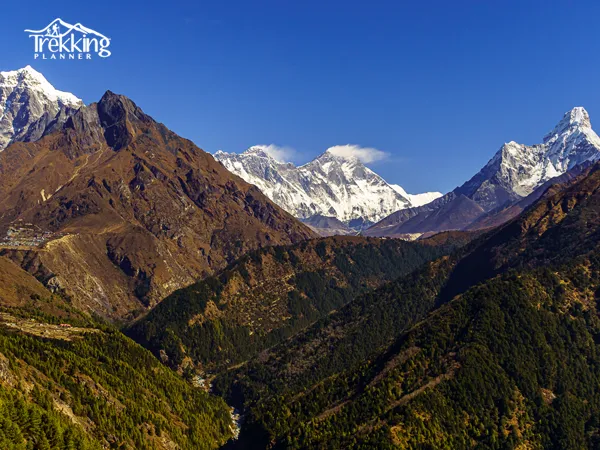
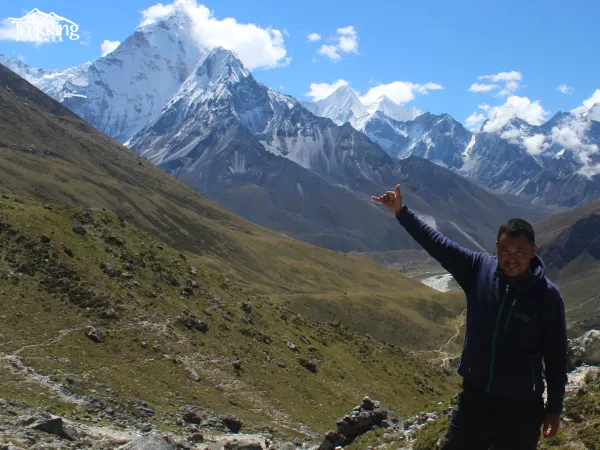
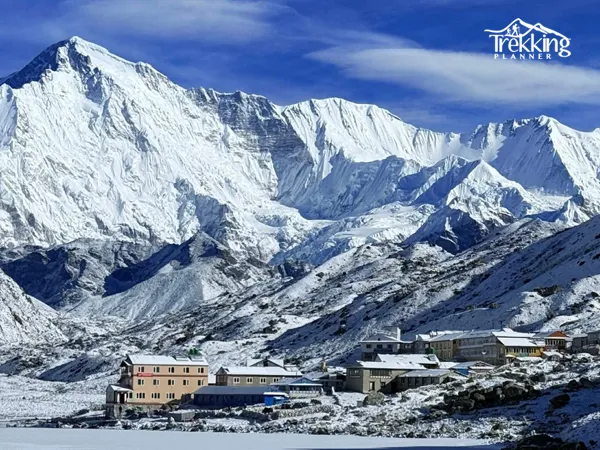
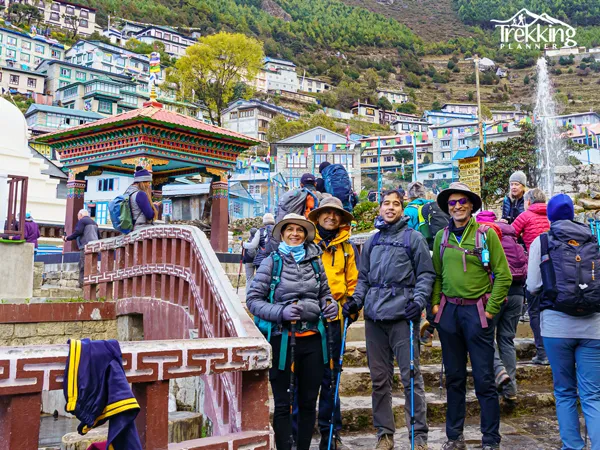
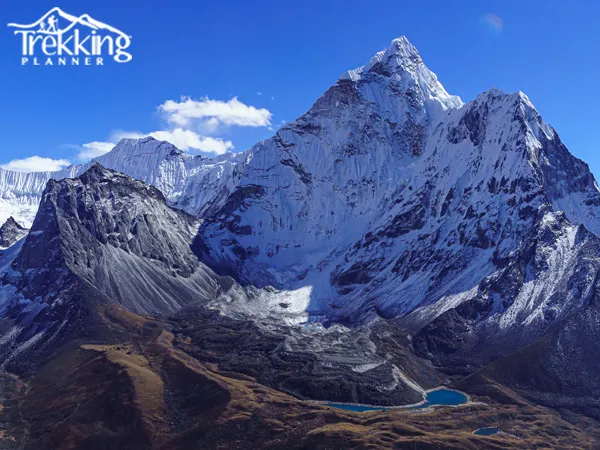
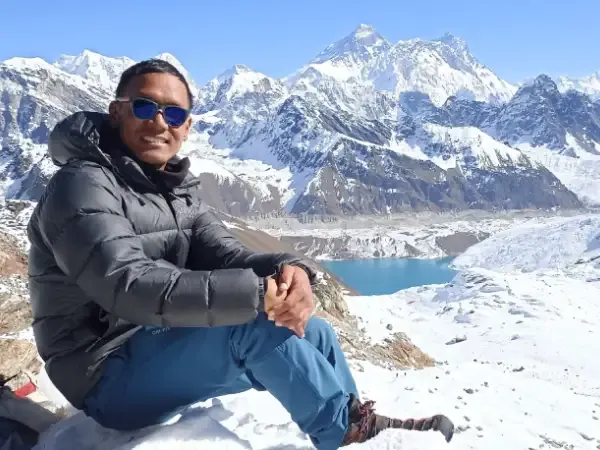
Trekking in Everest has been a mecca for adventure hiking, trekking and climbing which provides spectacular panoramas of Himalayas and peaks. Mount Everest trek offers you great opportunity to have unique experience with the hospitality of the local Sherpa people. Everest (8848m), top of the world itself reveals us that its one of the most admired destination where trekking route gives thrill to every trekkers.
Mount Everest—known as Sagarmatha in Nepal and Chomolungma in Tibet—is the tallest mountain on Earth, standing at 8,848.86 meters (29,031.7 feet). It rises along the border between Nepal and the Tibet Autonomous Region of China, with the summit itself shared by both countries. While some travel sources mention varying land shares, there’s no official breakdown—what matters is that Everest belongs to two cultures and inspires the whole world.
Part of the Mahalangur Himal range in the greater Himalayas, Everest was formed millions of years ago by the violent collision of the Indian and Eurasian tectonic plates. That same geological pressure continues to nudge the mountain skyward today.
The names reflect the mountain’s mythic weight. Sagarmatha blends the Nepali words sagar (sky or ocean) and matha (forehead)—“Forehead of the Sky.” Chomolungma, in Tibetan, means “Goddess Mother of the World.” These are not just poetic labels—they reflect the awe and spiritual respect Everest commands.
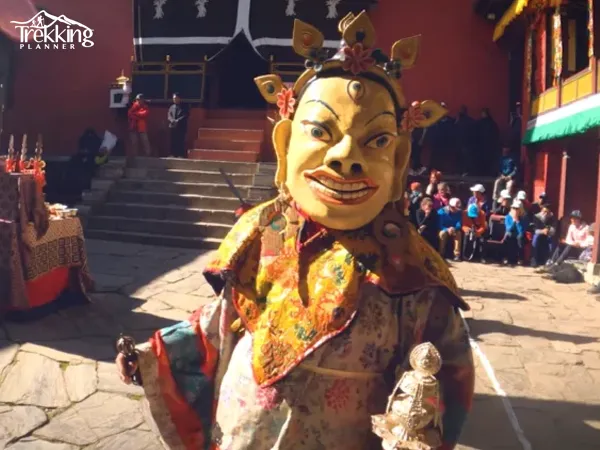
This sacredness is something that is strongly embraced in the households that make a life surrounding it. To the Sherpa people of the Khumbu Valley, the mountain is not an ordinary landmark, it is a holy one. When you go hiking through the trails in the Everest region portion of your trekking adventure, you will see old monasteries, the waving prayer flags on the way, the stone stupas placed along the path as a reminder of spiritual and physical landmarks. Everest region trekking isn’t only about altitude and adventure—it’s a walk through culture, history, and the heartbeat of the Himalayas.
Mt. Everest Trekking trails are situated in the eastern part of a country in Solukhumbu district, protected by Sagarmatha National Park, established in 1976 with an area of 1148 square kilometers and and in 1979 it was inscribed as a UNESCO Natural World Heritage Site which was established to protect the fragile ecosystem of the alpine region. Apart from Everest other 8,000 meter peaks Lhotse, Cho Oyu and Makalu holds more attraction to a place. The beauty in the form of glaciar lakes, resplendent rhododendron forests, native flora and fauna, charming villages and ancient Buddhist monasteries add to make this region an irresistible tourist destination.
The best time to trekking in Everest Region is from Autumn season (September-December) and Spring season (March-May).At these times, the weather will be mild and generally dry, making walking conditions ideal. The spring season brings out the wild flowers, particularly rhododendrons, while autumn season is generally good for clear mountain views, as the air is crystal clear. Wildlife seen here are mostly birds including the national bird of Nepal the Impeyan Pheasant(danfe in Nepali) which is quite commonly found around Namche Bazaar. Other notable birds include the ravens and crows of the middle hills and the coughs which soar to seemingly impossible heights in the mountains. Look out for flocks of snow pigeons wheeling about the hillsides.Animals in these regions are elusive, so keep an eye out for mountain goats(most common are the Himalayan tahr) and if lucky, you may chance upon the rare musk deer or the common barking deer. All-in-all an Everest Trek will be a completely different experience to you for wonderful and inspiring place.
Everest Region Routes at a Glance
|
Trek |
Duration |
Highlights |
|
Everest Base Camp Trek |
12–15 d |
Classic journey, Lukla to EBC, Kala Patthar sunrise, high‑altitude vistas |
|
Gokyo Lakes / Gokyo Ri |
16–20 d |
Alpine lakes, fewer crowds, Cho La Pass challenge |
|
Everest Three Passes Trek |
20–22 d |
Renjo, Cho and Kongma La passes; tribal high‑route views |
|
Everest Panorama Trek |
10–12 d |
Short trek with stunning Everest panoramas via Tengboche |
|
Short trek to Everest |
7–10 d |
For those tight on time, quick dose of Himalaya without Base Camp |
Popular Trekking Destinations in the Everest Region.
The Everest Region of Nepal is known for its stunning natural beauty and world-renowned trekking routes. Here are some of the most popular trekking destinations in the Everest Region:
1. Everest Base Camp Trek.
Everest Base Camp is one of the most popular and challenging treks in the world. It takes you through Sherpa villages, stunning mountain views, and finally to Mount Everest's base camp. The trek takes around 12–14 days to complete and is best done in the spring and autumn seasons.
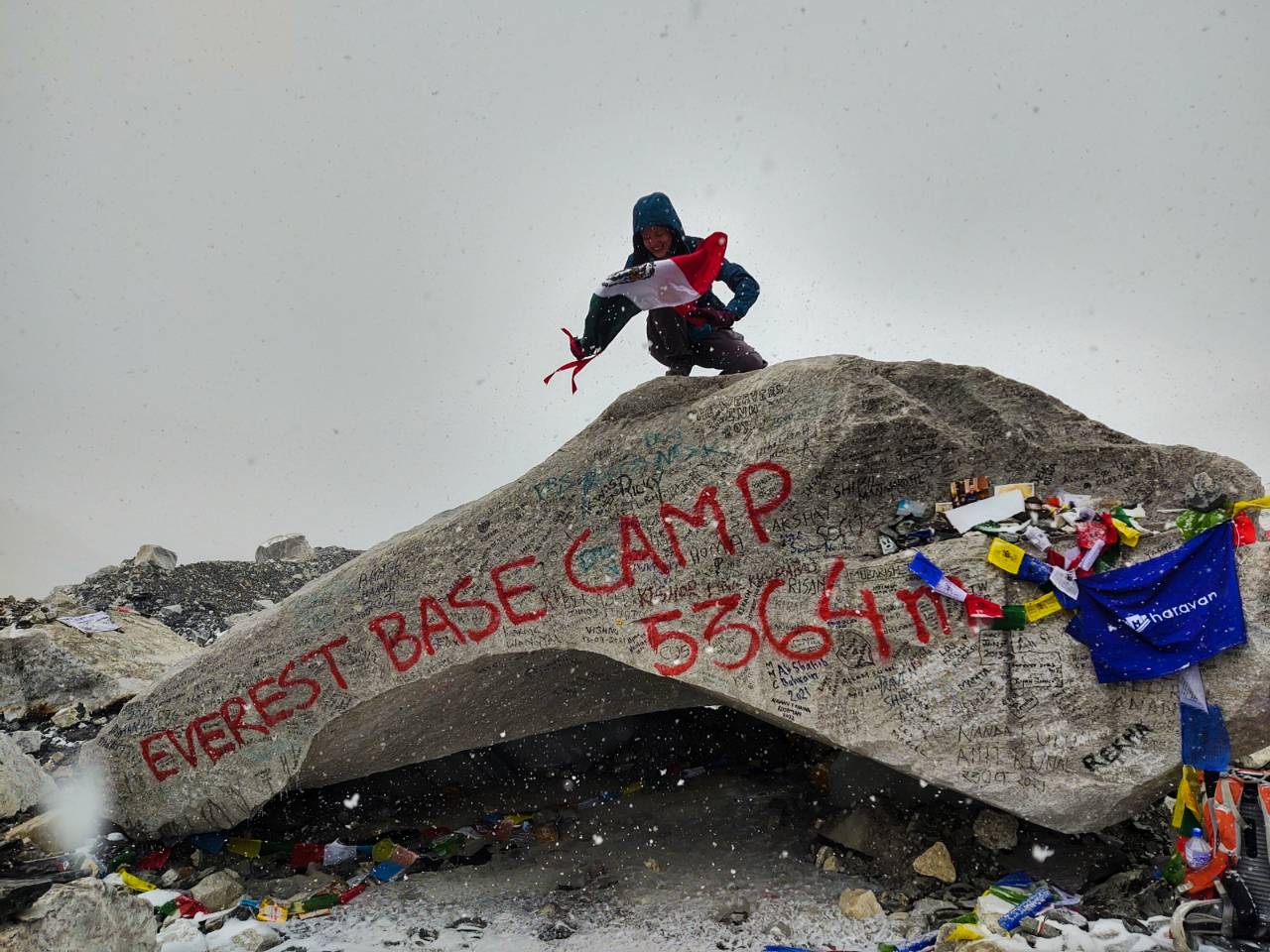
Trekking to Everest Base Camp is a once-in-a-lifetime experience for many outdoor enthusiasts. It offers breathtaking scenery, unique cultural experiences, and a chance to challenge oneself physically and mentally.
The trek to Everest Base Camp typically takes around 12–14 days. During this time, you will pass through the beautiful Sagarmatha National Park, which is home to a wide range of flora and fauna, including the rare and endangered snow leopard. You will also pass through traditional Sherpa villages, where you can experience the local culture and traditions.
As you trek higher, the views become more and more stunning, with breathtaking panoramas of the Himalayan Mountain Range, including Mount Everest, the highest mountain in the world. You will pass through several high mountain passes and cross numerous suspension bridges, adding to the journey's adventure and excitement.
The trek is challenging and requires good fitness and stamina, but with proper training and preparation, it is achievable for most people. Trekking at high altitudes can be physically demanding, and you may experience symptoms of altitude sickness such as headache, dizziness, and shortness of breath. However, proper acclimatization and taking necessary precautions can reduce the risk of serious altitude sickness.
Many people describe the feeling of reaching Everest Base Camp as an overwhelming sense of accomplishment, with a mix of emotions of awe, pride, and gratitude. The journey to Base Camp is not just about reaching the destination but also about the journey itself and the memories and experiences you will take away from it.
Overall, Everest Base Camp Trek is an adventure of a lifetime. It offers the opportunity to challenge oneself, experience new cultures, and witness some of the planet's most stunning natural beauty.
Everest Base Camp Trek Packages Categorized by Duration and Ways
To suit different preferences, fitness levels, and time constraints, EBC trek itineraries come in various lengths. Here's a breakdown:
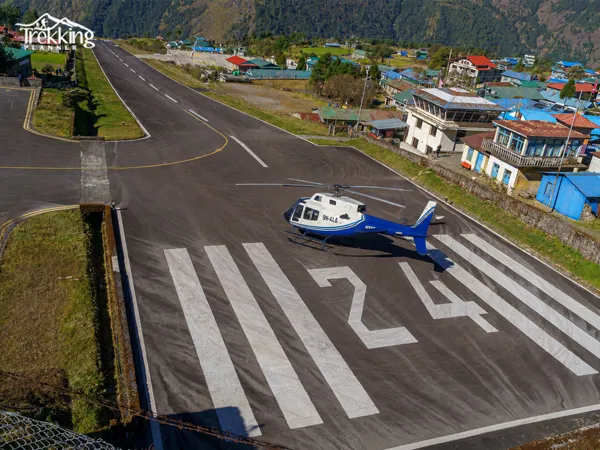
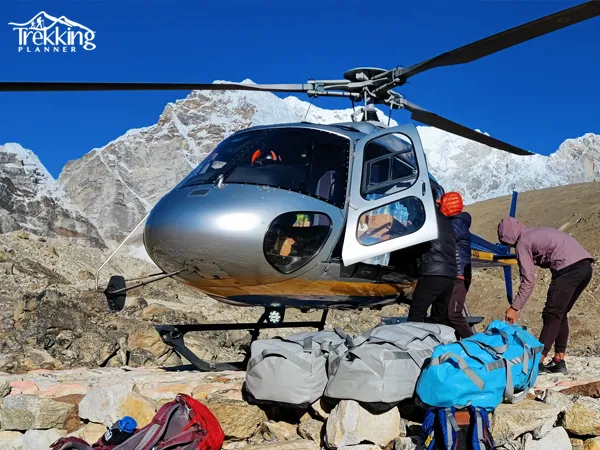
1. Everest Base Camp Trek with Helicopter Return – 11 Days
- Duration: 10–11 days
- Start/End: Lukla – EBC – Kathmandu (via helicopter return)
- Best For: Time-conscious travelers, luxury trekkers, aerial photography lovers
- Highlights: Fast-paced itinerary, scenic helicopter flight, electric blankets, Everest views from Kalapatthar
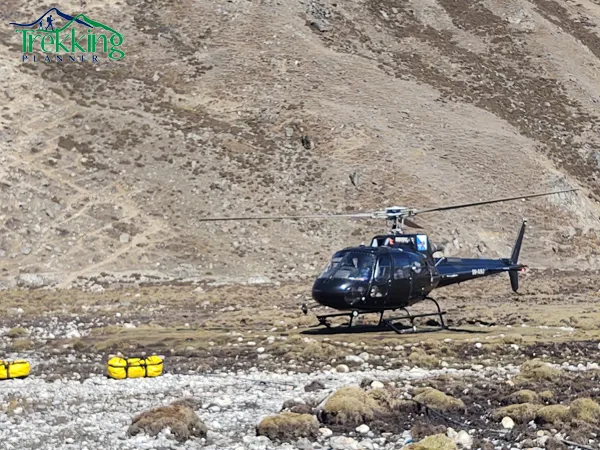
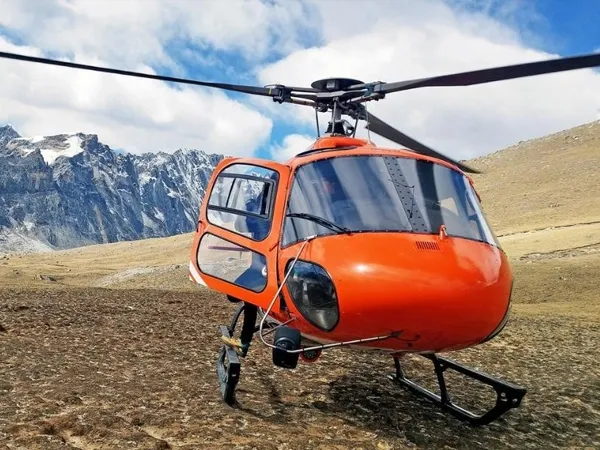
Everest Base Camp Trek With Helicopter Return is the top-quality aerial-trek that is created to circumvent the trail rush back and provide a scenic fly-out of the testifying Gorakshep. Upon a trek to Kalapatthar and Base Camp, your flight to Kathmandu will be by helicopter along the way getting wonderful views of Everest, Lhotse, Nuptse and Pumori. The facilities also have electric blankets and personal bathrooms where possible making it not only a comfortable but also a time effective adventure.
2. Everest Base Camp Trek – 12 Days
- Duration: 12 days
- Start/End: Lukla – EBC – Lukla
- Best For: Fit beginners to intermediate trekkers
- Highlights: Balanced pace, key acclimatization days, Tengboche Monastery, Kalapatthar sunrise, expert-guided support
This popular 12‑day EBC trek begins with a flight to Lukla and includes trekking through lush forests, Sherpa villages, and Sagarmatha National Park—a UNESCO World Heritage site. Key highlights include Tengboche Monastery, sunrise from Kalapatthar, and sweeping vistas of the Khumbu Glacier and Everest. Features include guided pre-trip briefing, use of pulse oximeters, and emergency evacuation protocols.
3. Everest Base Camp Trek – 13 Days
- Duration: 13 days
- Start/End: Lukla – EBC – Lukla
- Best For: Trekkers seeking extra altitude preparation and cultural immersion
- Highlights: Additional acclimatization, Sherpa village stays, monasteries, Himalayan wildlife
A well-balanced “short” trek spanning 13 days, it blends culture, acclimatization, and breathtaking scenery. Starting with a scenic flight to Lukla, you'll trek through Namche, Tengboche, Dingboche, Lobuche, Gorakshep, and EBC, with dedicated acclimatization days and cultural immersion at Buddhist monasteries. Includes essentials like SIM cards, travel insurance support, and lodge accommodations.
4. Everest Base Camp Trek – 14 Days
- Duration: 14 days
- Start/End: Lukla – EBC – Lukla
- Best For: Traditional trekkers wanting the full classic route
- Highlights: Well-paced itinerary, extra buffer days, thorough mountain exposure
This standard EBC trek over 14 days is available via Nepal Trekking Planner (identified as simply “Everest Base Camp Trek” on their site). It follows the classic route Lukla → Namche → Tengboche → Dingboche → Lobuche → Gorakshep → EBC → Kala Patthar and back to Lukla and Kathmandu. Ideal for trekkers wanting a moderately paced itinerary with proper acclimatization and Kathmandu-style finish.
5. Everest Base Camp Trekking – 15 Days
- Duration: 14 days
- Start/End: Kathmandu – EBC – Kathmandu (via Lukla)
- Best For: First-time trekkers, culture seekers, relaxed pace lovers
- Highlights: Kathmandu tour included, immersive trekking, village visits, complete adventure
A fuller, 15‑day EBC trek with its itinerary that emphasizes cultural insight, natural beauty, and slower pace. Beginning in Kathmandu and ending in the city, the trek progresses Lodging across Sherpa villages, monasteries, and includes Kala Patthar ascend for iconic Everest views. Meals, SIM cards, snacks, and community evenings around the fire are part of the experience .
6. Everest Base Camp Trek by Road – 17 Days
- Duration: 17 days
- Start/End: Kathmandu – Kharikhola (by road) – EBC – return by same route
- Best For: Flight-averse trekkers, road-travel enthusiasts, weather-conscious travelers
- Highlights: No flight dependency, scenic countryside drive, extended trekking route through lesser-traveled villages
This package avoids Lukla flights by driving 12–14 hours from Kathmandu to Kharikhola and trekking from there via Paiyann and Phakding. You'll follow the traditional EBC route—Namche Bazaar, Tengboche, Dingboche, Lobuche, Gorakshep, and Kala Patthar—then return to Kharikhola and drive back to Kathmandu. Perfect for those avoiding flight cancellations in unpredictable weather.
Explore more Nepal Trekking Planner's Everest Base Camp Trek Packages
Destination wedding at Everest Base Camp
2. Gokyo Lakes Trek.
Gokyo Valley Trekking takes you through the stunning Gokyo Valley, which is home to several turquoise lakes, including the famous Gokyo Lake. The trek offers breathtaking views of the Himalayas, including Mount Everest, the world's highest mountain. It takes around 12–14 days to complete and is best done in the spring and autumn seasons.
Gokyo Lakes Trek is an alternative trekking route to the well-known Everest Base Camp Trek in Nepal's Everest Region. This trek offers stunning views of the Himalayan mountain range, including Mount Everest, and a chance to explore the beautiful Gokyo Valley and its turquoise lakes.
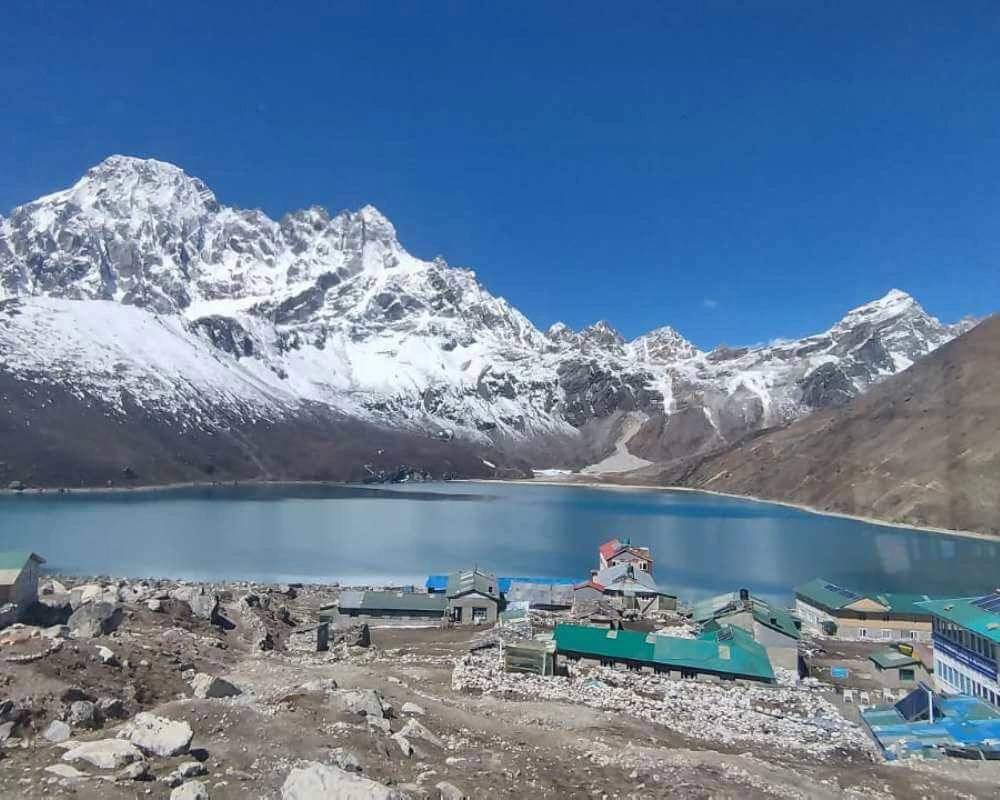
The Gokyo Lakes Trek is a 12–14-day trek that begins in the village of Lukla and takes you through the picturesque Khumbu Valley. Along the way, you will pass through traditional Sherpa villages and have the opportunity to experience the local culture and traditions.
One of the highlights of the Gokyo Valley Trek is the Gokyo Valley and its series of six stunning lakes, including the famous Gokyo Lake. The lakes are situated at an altitude of over 4,000 meters and are a breathtaking sight to behold. The views of the surrounding mountain peaks and glaciers from the Gokyo Ri viewpoint, which is 5,357 meters high, are also unforgettable.
The trek to the Gokyo Valley is moderately challenging and requires good fitness and stamina. You will be trekking at high altitudes, which can be physically demanding, and you may experience symptoms of altitude sickness. However, proper acclimatization and taking necessary precautions can reduce the risk of serious altitude sickness.
Many people who have completed the Gokyo Valley Trek describe it as a truly unforgettable experience, with stunning views, unique cultural experiences, and a sense of accomplishment at the end. The serene beauty of the turquoise lakes and the surrounding mountains will leave you in awe, and the trek challenge will leave you with a sense of accomplishment and pride.
Overall, the Gokyo Valley Trek is a fantastic adventure for those looking to experience the beauty of the Himalayas and challenge themselves physically and mentally. It is an unforgettable journey that offers memories and experiences that will last a lifetime.
Explore our Gokyo Valley Trekking Packages
Gokyo Renjo La Pass Trekking: 16 Days
3. Three-Pass Trek.
The Three Passes Trek is a challenging trek through three high mountain passes in the Everest Region. It offers stunning views of the Himalayas, including Mount Everest, and takes around 17–21 days to complete.
Three Passes Trek is a challenging trekking adventure in Nepal's Everest Region that takes you through three high mountain passes with breathtaking views of the Himalayan Mountains, including Mount Everest. This trek is considered one of the most challenging in the region, but it is also one of the most rewarding.
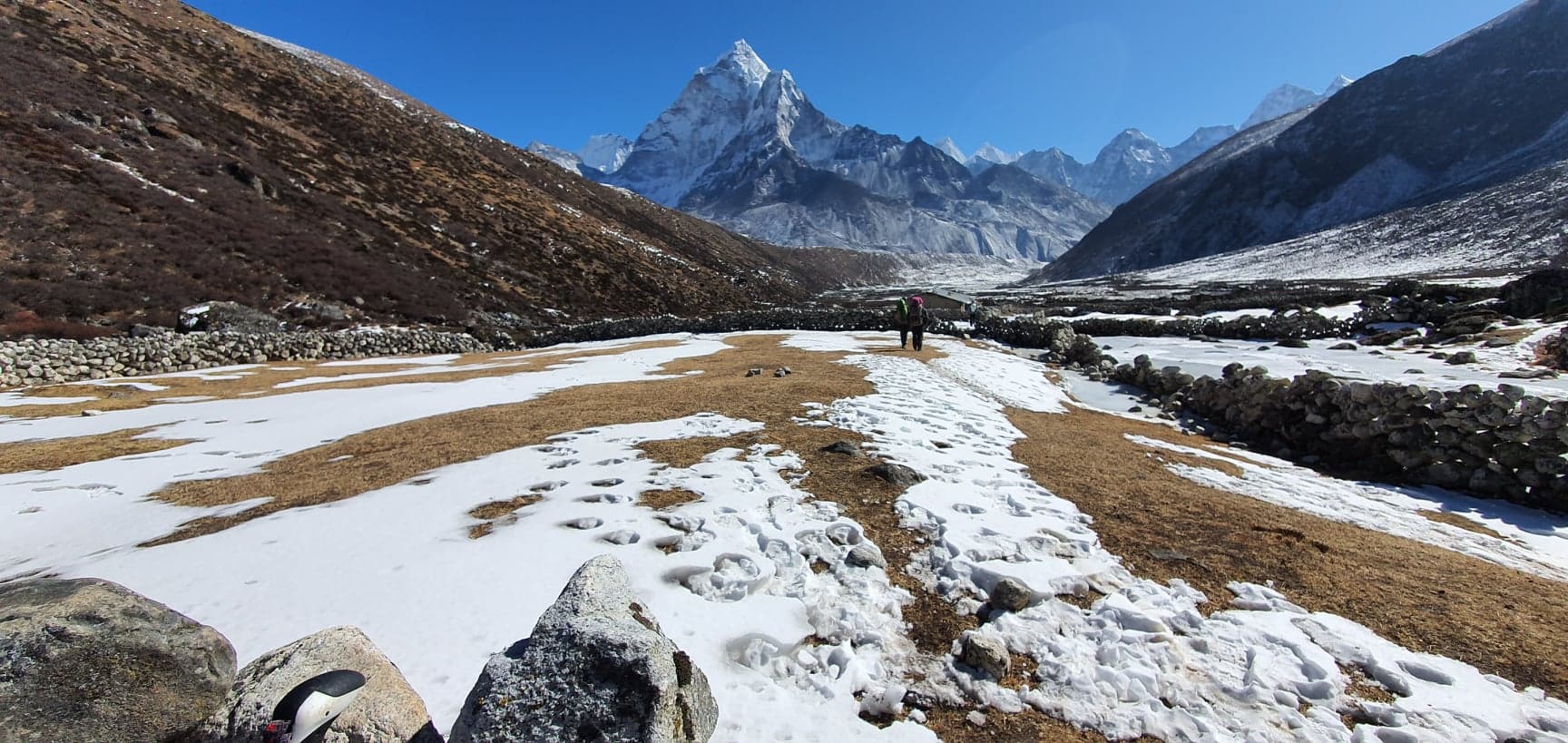
The Three Passes Trek takes around 18–20 days to complete and begins in the village of Lukla, following a similar route to the Everest Base Camp Trek. However, instead of going directly to Base Camp, the trek takes a more challenging and less crowded route through three high mountain passes: Renjo La, Cho La, and Kongma La. Along the way, you will pass through traditional Sherpa villages, cross glaciers, and see some of the most stunning mountain scenery in the world.
This trekking is physically demanding and requires a high level of fitness and stamina. You will be trekking at high altitudes, which can be challenging and may cause altitude sickness symptoms. However, proper acclimatization and taking necessary precautions can reduce the risk of serious altitude sickness.
Three Passes Trek is a once-in-a-lifetime adventure that will test your physical and mental limits while introducing you to new cultures and some of the world's most breathtaking natural beauty. The feeling of accomplishment upon completing the trek is unparalleled, and the memories and experiences gained from the journey will last a lifetime.
Overall, the Three Passes Trek is a fantastic adventure for those looking for a challenging and rewarding trek in the Himalayas. It is an unforgettable journey that offers breathtaking scenery, unique cultural experiences, and a sense of achievement that will stay with you forever.
To learn about difficulties of Three Passes Trek ,explore our blog "Difficult Section of Everest Base Camp Three Passes Trail"
10 Best Everest Region Treks: The Best Trekking in Everest Region
The Everest region isn’t just about one trail—it’s a network of stunning routes, each offering its own mix of views, culture, and challenge. Whether you're here for the spiritual calm of yoga treks or the raw adrenaline of high passes, here's a breakdown of the 10 best Everest region treks—from classic to offbeat, short and scenic to remote and demanding.
1. Everest View Trekking
Duration: 11 Days
Max Altitude: 3,850m
Difficulty Level: Easy to Moderate
Best Season: March-June and Sept-Dec
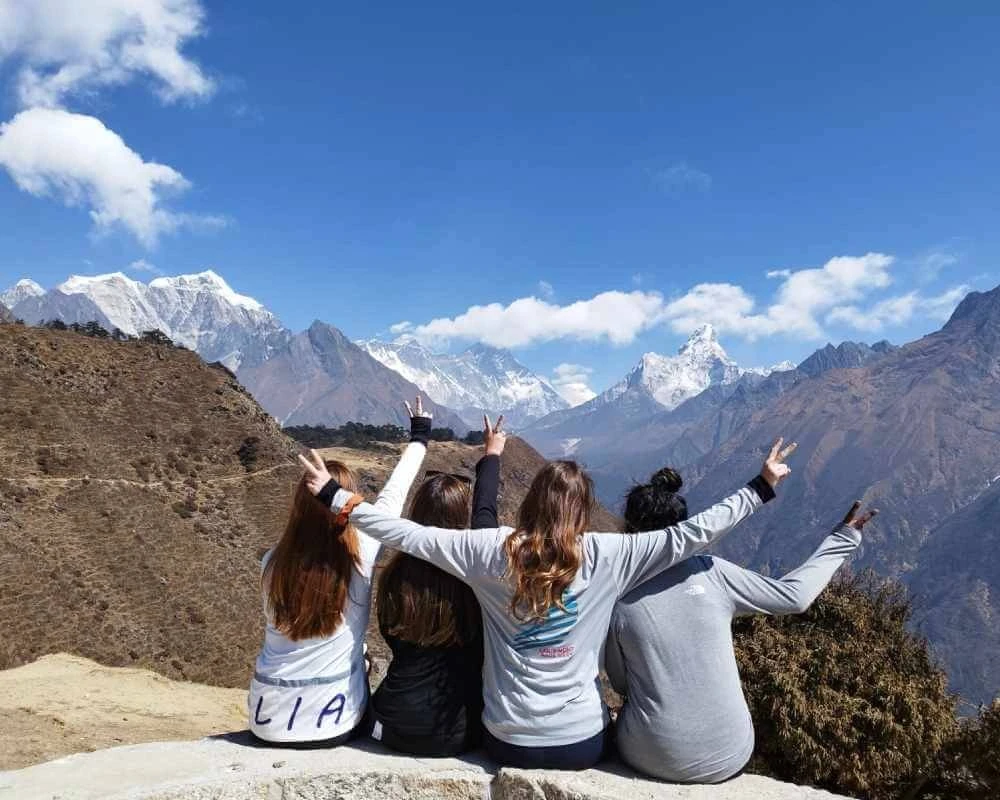
Perfect for those short on time but big on dreams. The Everest View Trekking – 11 Days journey leads you through Sherpa villages like Namche Bazaar and Tengboche, with panoramic Everest views—without the extreme altitude of Base Camp. Ideal for families, beginners, or travelers easing into high-altitude hiking.
2. Everest Sherpa Cultural Scenic Trekking
Duration: 11 Days
Max Altitude: 4,365m
Difficulty Level: Moderate
Best Season: March-June and Sept-Dec
More than just mountains, this trek immerses you in Sherpa life. The Everest Sherpa Cultural – Scenic Trekking – 11 Days route balances scenery and culture, stopping at historic monasteries and traditional homes. It’s a deeply human experience wrapped in awe-inspiring alpine settings.
3. Everest Panorama Yoga Trek
Duration: 12 Days
Max Altitude: 3850m
Difficulty Level: Easy to Moderate
Best Season: March-June and Sept-Dec
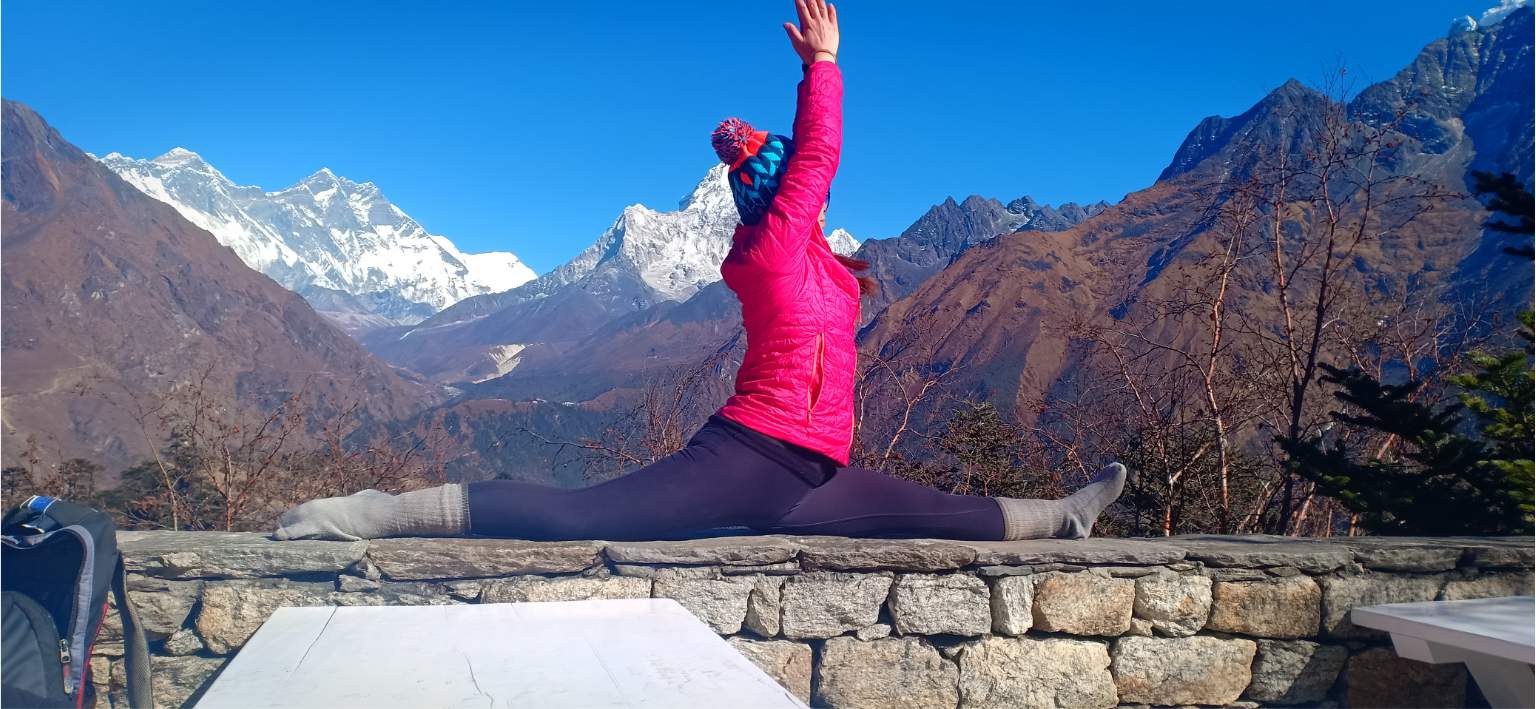
Everest Panorama Yoga Trek - 12 Days
For mind-body explorers, the Everest Panorama Yoga Trek – 12 Days blends daily yoga and meditation with gentle trekking. You’ll practice with Himalayan backdrops, hike to iconic viewpoints like Syangboche and Tengboche, and rejuvenate while syncing breath with altitude.
4. Everest Base Camp Trek
Duration: 14 Days
Max Altitude: 5545m
Difficulty Level: Moderate
Best Season: March-June and Sept-Dec
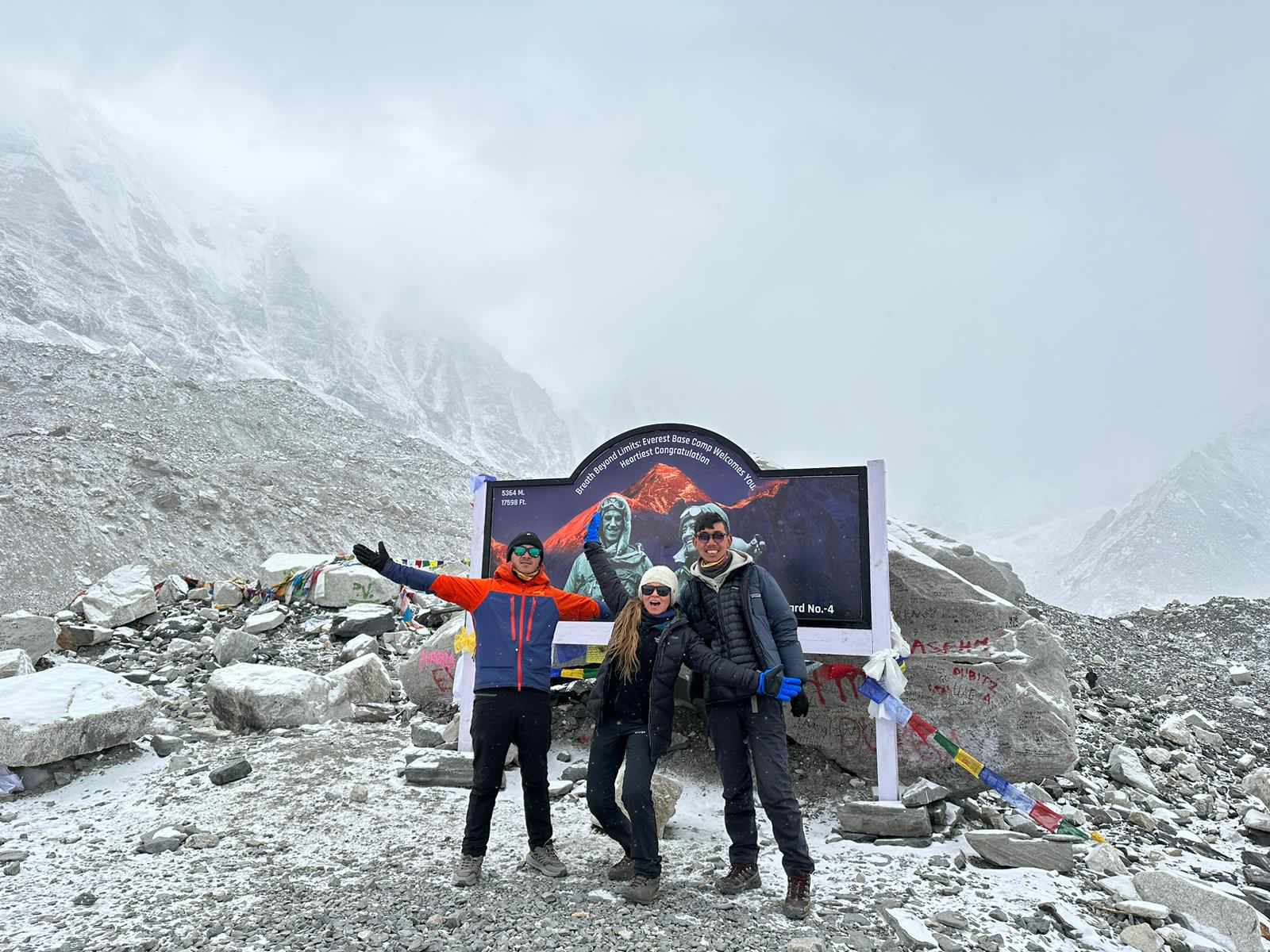
The gold standard. The Everest Base Camp Trek – 14 Days delivers everything: altitude, adventure, culture, and that surreal moment at 5,364 meters. This route includes acclimatization days, teahouse stays, and unforgettable sunrise views from Kala Patthar. A rite of passage for serious trekkers.
5. Gokyo Valley Trekking – 15 Days
Duration: 15 Days
Max Altitude: 5463m
Difficulty Level: Easy to Moderate
Best Season: March-June and Sept-Dec
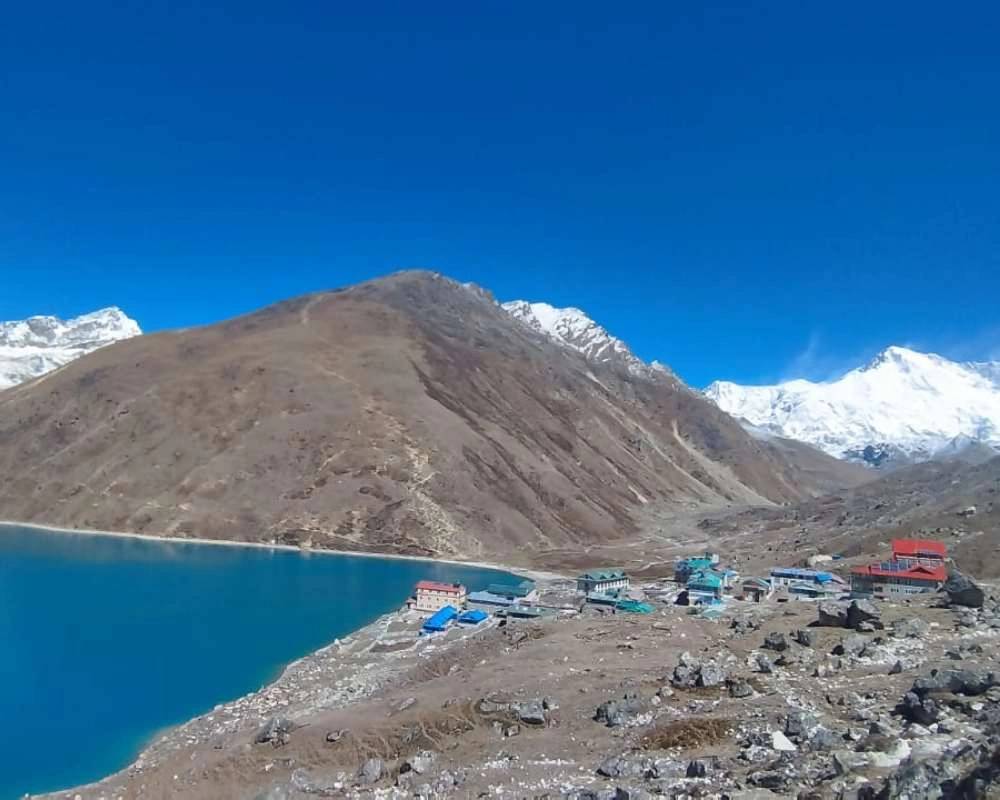
Less crowded, equally epic. Gokyo Valley Trekking – 15 Days takes you off the main Base Camp trail and into glacial lakes, dramatic ridgelines, and the stunning Gokyo Ri summit. It's a quieter route with insane Everest views and a strong connection to nature.
6. Everest Base Camp Yoga Trek – 15 Days
Duration: 15 Days
Max Altitude: 5545m
Difficulty Level: Moderate
Best Season: March-June and Sept-Dec
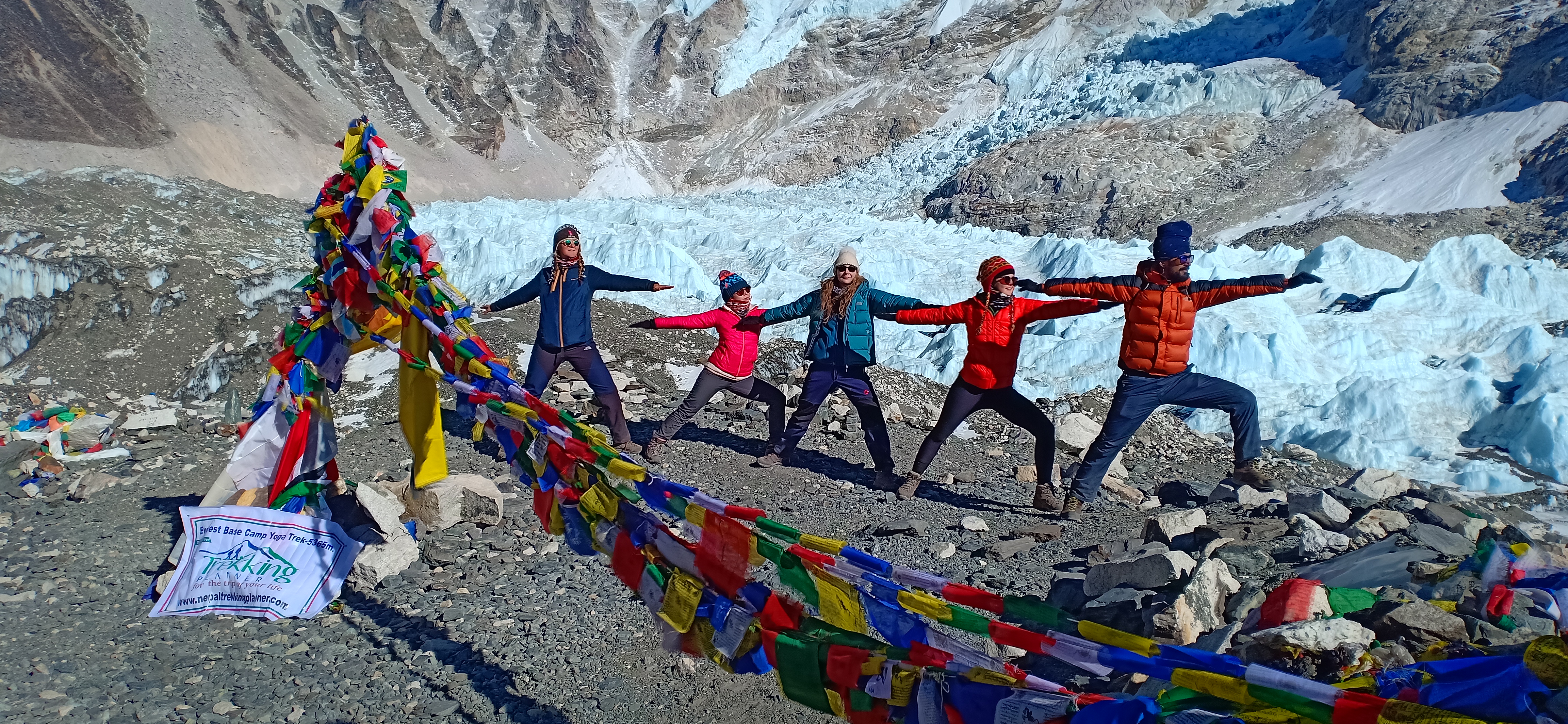
A powerful hybrid of endurance and mindfulness. The Everest Base Camp Yoga Trek – 15 Days gives you all the thrill of the classic EBC hike, with added sunrise yoga sessions, guided breathing techniques, and time to absorb the journey inward and outward.
7. Gokyo Renjo La Pass Trekking – 16 Days
Duration: 16 Days
Max Altitude: 5345m
Difficulty Level: Moderate to Difficult
Best Season: March-June and Sept-Dec
For trekkers who want solitude and scenery, the Gokyo Renjo La Pass Trekking – 16 Days loop crosses one of the most spectacular passes in the region. You’ll hit Gokyo Valley, climb Gokyo Ri, and cross the high-altitude Renjo La with insane views of Everest, Cho Oyu, and Makalu.
8. Gokyo Cho La Pass Trekking – 19 Days
Duration: 19 Days
Max Altitude: 5545m
Difficulty Level: Moderate to Difficult
Best Season: March-June and Sept-Dec
One for the hardcore. Gokyo Cho La Pass Trekking – 19 Days combines Gokyo Lakes, Cho La Pass, and Everest Base Camp in one challenging loop. This trek throws glaciers, steep climbs, and high passes at you, but rewards with unforgettable Himalayan scenery at every step.
9. Jiri to Everest Base Camp Trekking – 22 Days
Duration: 21 Days
Max Altitude: 5545m
Difficulty Level: Moderate
Best Season: March-June and Sept-Dec
The original, classic approach. Before there was a Lukla airport, trekkers walked from Jiri. Jiri to Everest Base Camp Trekking – 22 Days retraces that old-school route—starting in the green hills, passing countless villages, and earning the Base Camp summit the long, hard way.
10. Everest High Pass Trekking – 22 Days
Duration: 22 Days
Max Altitude: 5,545m
Difficulty Level: Moderate to Difficult
Best Season: March-June and Sept-Dec
This is the crown jewel for the bold. The Everest High Pass Trekking – 22 Days circuit connects all three major passes: Kongma La, Cho La, and Renjo La. Add Base Camp, Gokyo Lakes, and remote valleys—you’ve got the ultimate Everest trek. It’s physically demanding, but unmatched in variety and scale.
Three Side Trips To Add To Your Everest Region Trek For A Richer Experience
The Everest Region isn’t the most popular trekking region in Nepal for no reason. Once trekkers come here, they absolutely don’t want to leave. Such is the beauty and the magnificence of the Everest Region. Even though the feet are blistered, the skin is sunburnt, the knees feel like they can no longer support the weight of the body, trekkers still want more. Even though they have been away from home for weeks, are living in some of the harshest terrains in the world, and haven’t been able to contact their loved ones for days, they still don’t want to go. Luckily, the Everest Region boasts of such beautiful side trips that can be taken as a detour during your main trek to add more adventure and fun to your experience. Here, we have listed down three amazing side trips you can add to your itinerary while trekking through popular routes.
Ama Dablam Base Camp.
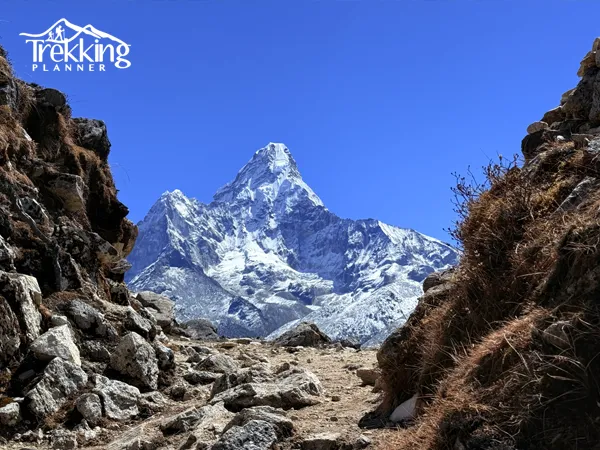
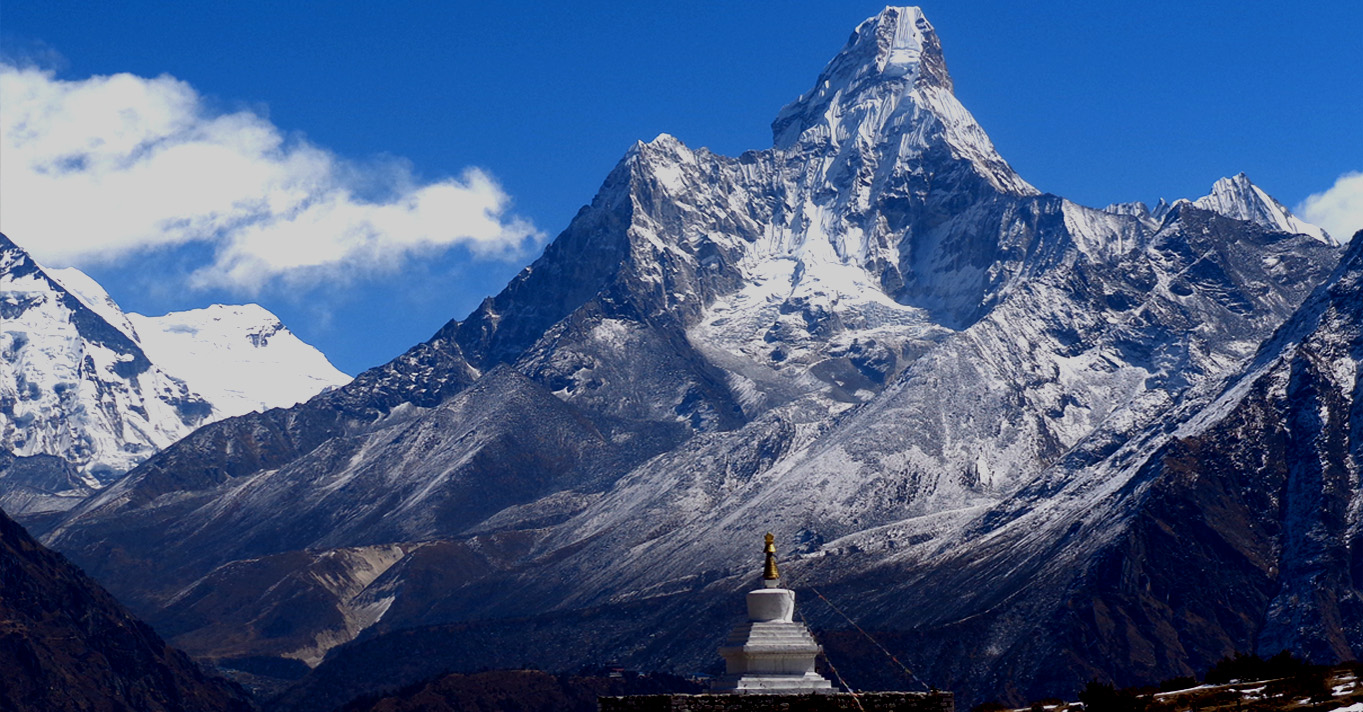
Ama Dablam is often known as the most beautiful peak in the Himalayas. Now, what if you could view this beauty in all its magnificence from its very base camp without exclusively planning a trek just for it?
If you are in good health and well acclimatized, it is possible to make an incredibly scenic but challenging half-day return trip from Pangboche to meadows at the Ama Dablam Base Camp, which is located at the height of 4,580m. From there, you can have surreal views of tents dotting the base of the peak and the iconic peak itself.
You can include this adventure as a side trip during a majority of your treks that lead to Gokyo Lakes, Everest Base Camp, and three high passes. Firstly, you have to branch off the main route near the far end of Pangboche and descend to cross the suspension bridge over Dudh Koshi Khola. The trail is steep, level, and steep again, passing through a small stupa to the left offering great views of Pumori. Chhulungche Khola’s massive glacial gorge plunges to the right. Then, the trail stretches through some sandy sections to finally pop up at Meadows at the base camp of 6,856 meters AmaDablam.
From here, you can see the eastern face of the peak and several expedition tents preparing for the ascent. After a meal and a short break at one of the teahouses behind the moraine hill, you can start your downhill hike. From the base camp, it is about a 90-minute descent to Pangboche.
Upper Bhote Koshi Valley.
During your Three High Passes Trek, instead of staying at Lumde, you can trek 40 minutes up to a popular alternative, Bhote Koshi Valley, and use the lodges and teahouses here to as a base to explore the lesser-known Upper Bhote Koshi Valley.
The trail leading to Bhote Koshi follows a route used for centuries for trade with Tibet for salt and grain. All along the valley, you will come across yak trails and campsites used by traders until the pass was closed due to border traffic in 2002. If you want to, you can stay overnight in Arya. You can go for another 40-minute hike and from there, the fine views of peaks like Singkorab, Dragnag Ri, and Pangbuk become visible. Another two-hour-long trek through a deeply eroded cliff will take you to the interesting Sumnag Cave. From here, you can hike here and there for about 15 minutes to catch great glimpses of Lunag Peak, JoboRingang, and PasanglamaChuli.
From here, you can trek down to Lumde and continue your journey as per your itinerary, or you can take a detour to reach Thame.
Chhukung.
Mostly, all treks in the Everest Region consist of a day allocated exclusively for acclimatization in Pheriche or Dingboche. You can extend your acclimatization period by another day to add an awesome ascent to Chhukung Ri for a great adventure.
If you are beginning from Pheriche, pick up a trail to Dingboche on the moraine slope southeast of the village. From here, it is basically a steady climb over barren moraines to reach Bibre. A 30-minute ascent west of Bibre will take you to Chukung, a small village among moraine ridges at a height of 4,730 meters. The village is surrounded by beautiful mountains and glaciers, thus offering great side trips from here. The most popular half-day climb is the stiff hike to the 5,546m high Chhukung Ri for dream-like views of panoramic peaks like Ama Dablam, Makalu, and Baruntse.
Later, you can either trek back to Dingboche or Pheriche, which will take about 3 hours or stay the night at Chhukung and explore the Island Peak Base camp the next day.
Everest Region Trekking – Best Seasons/Time to Go
Timing is everything when it comes to trekking in the Everest region. While the Himalayas are awe-inspiring year-round, each season offers a distinctly different experience. From trail conditions to scenery to cultural moments, here’s a detailed breakdown of what to expect in each trekking season in Everest — and how to choose the best one for your trip.
Spring Season (March to May)
Spring paints the Everest region in color. The rhododendron forests between Phakding and Tengboche burst into bloom, splashing the hillsides with shades of red, pink, and white. Clear skies dominate most days, offering crisp, postcard-perfect views of Everest, Lhotse, Ama Dablam, and Nuptse. The Khumbu Glacier also becomes more distinct in the spring light, making this season a dream for photographers.
Trekking in spring feels vibrant and energizing. Trails are dry, making footing reliable, and teahouses are fully operational with diverse menus and warm hospitality. While trails do get busier toward the end of April, the traffic is still manageable, and the energy from fellow trekkers and climbers heading toward the Everest Summit adds excitement. Spring is a prime time for all routes, from classic Everest Base Camp treks to more meditative journeys like the Everest Panorama Yoga Trek.
Autumn Season (September to November)
Once the monsoon clears, autumn is the best time to see the Everest region in all its glory. The sky is shockingly blue, and the mountains are even more than sober. The greenness of the valleys due to the recent showers forms a nice contrast to the snow covered mountains. It is probably the best time to panoramic and the mountain view without any distractions.
On the trails, autumn is dynamic and festive. The weather is dry and stable, making trekking a smooth and predictable experience. This season also coincides with major Nepali festivals like Dashain and Tihar, adding cultural depth to the journey. Because of its popularity, trails and lodges can get busy—especially in October—so booking in advance is wise. Still, the tradeoff is worth it. Autumn is ideal for longer and more technical treks, like the High Pass and Cho La routes, when conditions are most favorable.
Winter Season (December to February)
Winter in Everest offers a peaceful, often hauntingly beautiful experience. The skies are typically clear and the air crisp, giving trekkers breathtaking views with almost no haze. Snow may dust the peaks and trails, especially above 4,000 meters, and villages like Dingboche and Lobuche can look like scenes from a Himalayan snow globe.
The trekking experience in winter is tranquil but demanding. With fewer trekkers on the trail, lodges are quiet, and you may have the entire view at a vantage point like Kala Patthar to yourself. That said, the cold can be intense, particularly at night, and some remote lodges may close for the season. This time of year is best suited for lower-altitude routes like the Everest View Trek or the Sherpa Cultural trek, where the snow is light and the days are still manageable.
Monsoon Season (June to August)
Monsoon season transforms the Everest region into a misty, green wonderland. Hillsides become vibrant and waterfalls pour down cliffsides in full force. While clouds often obscure mountain views during the day, the early mornings and post-rain moments can reveal stunning, dramatic skylines.
Trekking during monsoon is a more intimate and raw experience. The trails are muddy, and conditions can be unpredictable, but with the right mindset and preparation, you’ll enjoy the benefit of almost no tourist traffic. Lodges are quiet, and prices are often lower. This season suits trekkers who prefer solitude and have flexible plans, and is most appropriate for lower-elevation treks. High passes and remote routes are not advisable due to landslide risk and poor visibility.
Why Everest Region Trekking in Nepal?
Everest region trek in Nepal is not about enjoying a place on the bucket list; rather, it is an experience of exploring a terrain that transforms the world-view.
1. It’s Home to Mount Everest
Nepal is the gateway to Mount Everest, known locally as Sagarmatha (in Nepali) or Chomolungma (in Tibetan). At 8,848.86 meters, it’s the world’s highest peak — but Everest is more than a number. It’s a global icon, spiritual symbol, and natural wonder.
2. Variety of Treks for All Levels
Everest region has got everything:
- Short, scenic treks like Everest View Trekking
- Cultural experiences like Everest Sherpa Cultural Scenic Trekking
- Spiritual journeys like Everest Panorama Yoga Trek
- Full-throttle adventures like the Everest High Pass Trekking
Whether you're a first-time hiker or a seasoned high-altitude traveler, there’s a trail that matches your pace and goals.
3. Rich Sherpa Culture
You will go through villages that date back as far as the ancient villages of Namche Bazaar and Tengboche, which hold Buddhist monasteries, warm-hearted Sherpas, who have a reputation for being adept at climbing, as well as for hospitality treatment. Here, the trail is culture, not an addition to the trail.
4. Unrivaled Scenery
Towering snow peaks, deep valleys, glacial rivers, and panoramic ridgelines — few places on Earth match the raw drama of the Everest landscape. Add in high passes, alpine lakes, and wildlife like Himalayan tahr and snow leopards, and you’ve got a trek that feels alive.
Permits for Everest Region Trekking
Before you hit the trail, you’ll need the proper documentation. Permit requirements are enforced strictly in the Everest region to support conservation, safety, and tourism management.
1. Khumbu Pasang Lhamu Rural Municipality Permit
- Replaces the older TIMS card for the Everest area.
- Costs approx. NPR 2,000 (~USD 15–20) per trekker.
- Collected at Lukla or Monjo checkpoint.
2. Sagarmatha National Park Entry Permit
- Required to enter the protected national park area that includes Everest Base Camp and Gokyo.
- Costs NPR 3,000 (~USD 25).
- Available in Kathmandu (Tourism Board office) or at the entrance in Monjo.
3. Gaurishankar Conservation Area Permit (GCAP)
- Only needed if you're starting your trek from Jiri, such as the Jiri to Everest Base Camp Trek
- Costs NPR 3,000 (~USD 25).
- Obtainable in Kathmandu.
4. Drone Permits (If Filming or Flying UAVs)
Flying drones in the Everest region requires separate clearance from multiple government agencies, including the Civil Aviation Authority, the Ministry of Tourism, and the local municipality.
For full details and application steps, check out our guide on Drone Permit Requirements in the Everest Region.
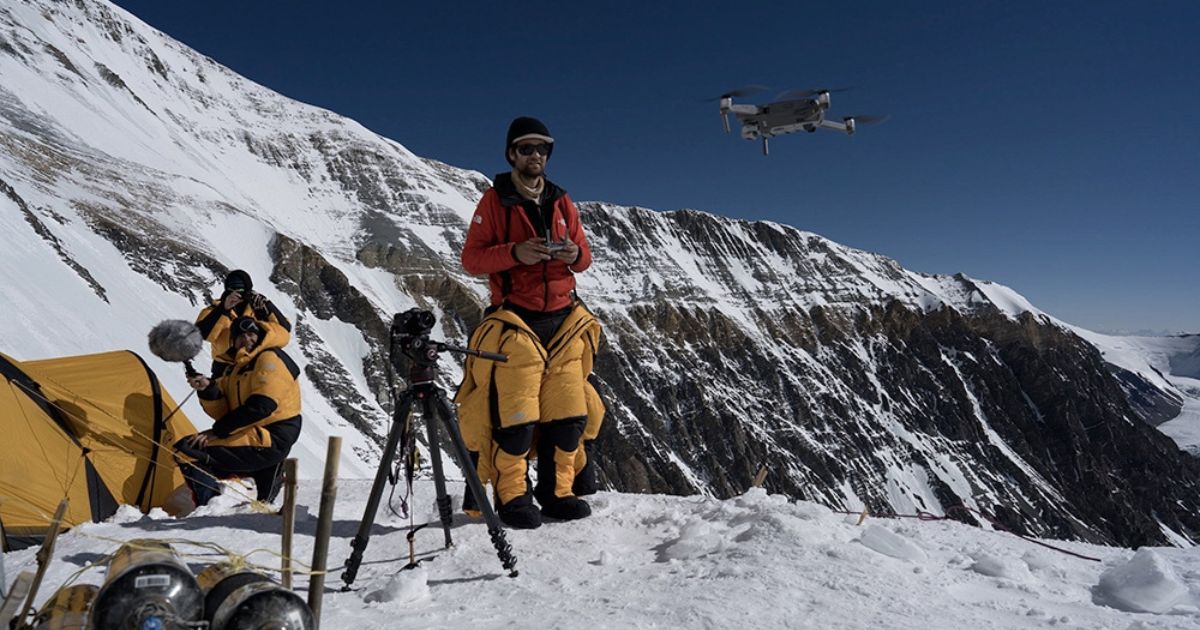
Important: Unauthorized drone use can result in fines or gear confiscation. Always get legal approval before flying.