Introduction
Everest Base Camp is at the foot of the tallest mountain in the world, Mt. Everest (8848.86 m). It is located in the Solukhumbu district of Khumbu region, Nepal. It is a prestigious location for those who wish to view the glory of Everest as well as explore the Khumbu region. There are several ways to reach the Everest Base Camp, but the most popular one is trekking. The Everest Base Camp trek is one of the classic treks of Nepal that takes you to the heart of Khumbu and allows you to stand before the grand Mount Everest while passing numerous Sherpa villages. Although trekking to the Everest Base Camp is done throughout the year, the best season for the EBC trek is Autumn.
Autumn in Nepal starts after the end of the monsoon. It lasts from September to November and is considered the busiest season of the year. Autumn provides perfect trekking conditions, including clear skies, great mountain views, moderate temperatures, beautiful landscapes, and exciting cultural activities. As a result, autumn trekking is the best among all the seasons.
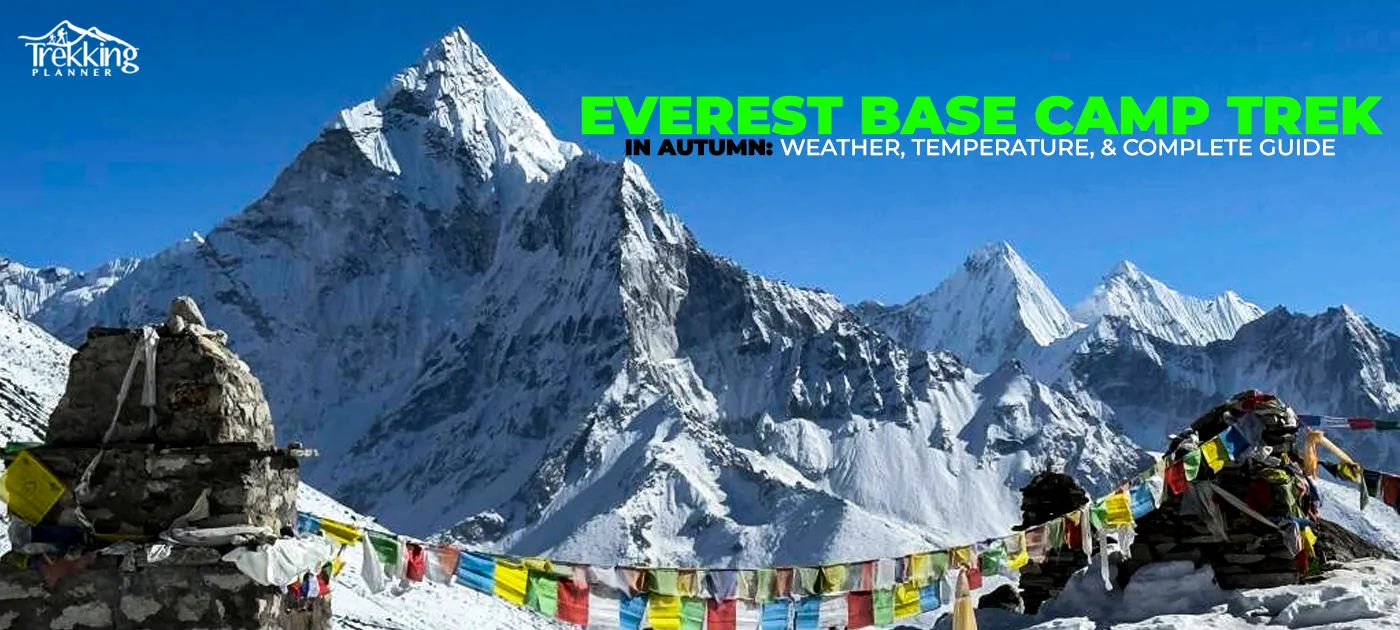
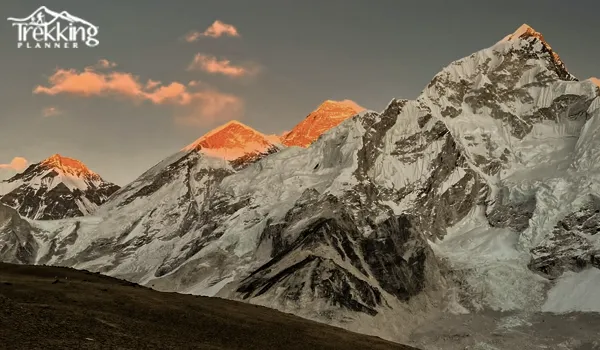
October is the peak month for EBC trek among all other months in Autumn. September is the transition phase from the rainy monsoon. Then, October generally has more stable weather and perfect visibility, which results in crystal-clear views of surrounding mountain peaks. When November comes, temperatures start to drop, particularly at higher elevations during the trek. Still, the skies remain clear, allowing you to witness the breathtaking views of Himalayan peaks such as Mount Everest, Lhotse, Nuptse, Ama Dablam, and others.
So, is autumn the best season for the Everest Base Camp Trek? For many of the trekkers, absolutely yes. It offers an excellent balance of all the factors which could influence the trek, including weather, visibility, and trekking conditions. Whether you are planning your journey in September, October, or November, understanding the major differences will help you choose the right time, prepare for the conditions, and make the most of your trek.
In this guide, we cover everything you need to know about the Everest Base Camp Trek in Autumn, including monthly weather conditions, temperatures at different elevations, trail conditions, accommodation, flight considerations, packing essentials, trekking costs, recommended itineraries and more to help you plan a safe and memorable journey.
Is Autumn a Good Time for the Everest Base Camp Trek?
Yes, autumn is considered the best season of the year for the Everest Base Camp Trek. Spanning from September through November, this season offers a combination of stable weather, clearer mountain views, comfortable daytime temperatures, and favourable trekking conditions. As the monsoon season comes to an end, the Everest region gradually transitions into a period of fresh mountain air, improved visibility, and breathtaking views of the Himalayan peaks.
The main factors that make autumn a perfect season for trekking to Everest Base Camp are:
1. Stable weather and clearer mountain views:
After monsoon, the weather in the Everest region calms down and is excellent for enjoying panoramic views of surrounding Himalayan scenery with clear glimpses of peaks such as Mount Everest, Ama Dablam, Lhotse, Nuptse, and others.
2. Comfortable daytime trekking conditions:
During autumn, daytime temperatures are most often perfect for walking, especially at lower and mid-altitude sections of the route. The weather is neither too warm nor too cold like in the winter months. However, temperatures can significantly drop at higher elevations, especially after sunset.
3. Post-monsoon trail conditions:
As the monsoon gradually exits, the trekking trails become drier and more pleasant for walking. The improved trail conditions make the daily walk through the Khumbu region more comfortable and enjoyable.
4. Excellent mountain photography opportunities:
Autumn is also particularly the best choice for photography enthusiasts. Clear skies and improved visibility create excellent opportunities to photograph the Himalayan landscapes.
5. A lively trekking atmosphere:
Autumn is generally the busiest trekking season in Nepal for almost all the major trekking routes, including the Everest region. The trails, teahouses, and villages along the Everest Base Camp route become more lively with trekkers sharing their experiences and enjoying the company of other fellow trekkers from around the world.
Are there any Disadvantages of trekking EBC during autumn?
Despite the numerous advantages of trekking in autumn, it still brings with it a few challenges. October, in particular, attracts a significant number of trekkers. This can result in crowded trails, busy teahouses, and limited accommodation options at popular settlements. Booking the trek in advance can help avoid unnecessary accommodation difficulties.
Similarly, September is a month in which some parts of the Khumbu region can still experience occasional rainfall and cloud cover due to lingering Monsoon conditions. By November, temperatures become comparatively colder, especially at higher elevations, making warm clothing and proper preparation very important.
Weather-related flight delays to and from Lukla can also occur during autumn. Although visibility is generally better than during monsoon, mountain weather is always unpredictable, so keeping a few buffer days in the itinerary is highly advisable for all trekkers.
When Is Autumn in Nepal?
Nepal has a pleasant trekking season between September and November. Generally, the weather improves as it moves into the Autumn season with significantly less rainfall in the mountains. This results in clear skies and great visibility in the mountains, making it a great time to visit the Everest region.
However, trekking in September, October and November can be very different, and each offers unique experiences. Being aware of these differences can help you determine which month of Autumn is the most suitable for you.
1. September
This is the beginning of the Autumn trekking season in Nepal. It is a transitional month when the summer monsoon gradually exits the country. Although there may still be periods of rain and cloudy conditions in early September, conditions in general improve as the month progresses.
The Everest region starts becoming more lively and fresh after the monsoon. However, some trails may remain muddy or slippery, particularly at lower elevations.
Advantages of trekking in September:
- Fewer people on trails compared to the peak October season.
- Fresh and greener landscapes immediately following the monsoon.
- Improving conditions and visibility in the mountains.
- A relatively lively trekking atmosphere without the busiest October crowds.
Minor Disadvantages of trekking in September:
- Occasional rainfall and cloudy conditions, especially early in the month.
- Some muddy and slippery trail sections, especially at lower elevations.
- Potential weather-related flight delays to Lukla.
- Mountain views might be less clear than in October and November.
September is a very suitable choice for trekkers who prefer relatively peaceful trails and do not mind some remaining monsoon uncertainty. Late September generally offers more favourable conditions than in early September.
2. October
October is the best and most popular month for Everest Base Camp Trekking. By this time, the monsoon usually would have already exited, bringing drier weather, clear skies, and excellent visibility across the Everest region.
Temperatures are comfortable for trekking, while mornings and nights can remain colder at higher elevations. The trails are usually in good condition, and the mountain peaks often appear absolutely attractive against the blue sky.
October also attracts a large number of international trekkers, making it the busiest time period on the Everest Base Camp route. In popular settlements such as Namche Bazaar, Tengboche, and Dingboche, there is a very high demand for accommodation facilities, so planning of the logistics is highly recommended.
Advantages of trekking in October:
- Generally stable weather and minimal rainfall.
- Excellent mountain visibility and photography opportunities.
- Comfortable daytime trekking temperatures.
- Generally dry and perfect trail conditions.
- A Vibrant trekking atmosphere with fellow trekkers.
Minor Disadvantages of trekking in October:
- Higher numbers of trekkers on popular sections of the route.
- Increased demand for accommodation options.
- Booking and itinerary planning are inevitable for trekking in October.
- Occasional flight delays can still occur despite generally favourable weather.
For trekkers seeking a balance of favourable weather, clear mountain views, and comfortable walking conditions and who do not mind the crowded trails, October is an excellent choice.
November
November is the final month of the autumn trekking season and brings increasingly colder conditions with it. Rainfall is almost nil, and the skies often remain clear, providing the best opportunities to enjoy breathtaking views of the mountain peaks.
As the month progresses, temperatures drop noticeably, particularly at higher elevations such as Lobuche, Gorak Shep and the Everest Base Camp. Mornings and nights are particularly cold, and occasional snowfall is also possible at higher altitudes.
Compared to October, November has fewer trekkers, especially in late November. This can provide a quieter experience along the EBC trail, although popular accommodation facilities can remain busy.
Advantages of trekking in November:
- Generally clear skies and excellent mountain visibility.
- Almost no rainfall and relatively dry trekking trails.
- Fewer trekkers compared to the month of October.
- Excellent opportunities for mountain photography.
- A peaceful trekking atmosphere compared to October, particularly later in the month.
Minor Disadvantages of trekking in November:
- Colder mornings, evenings, and nights.
- Freezing temperatures at higher elevations.
- Possibility of snowfall and icy trail sections.
- Shorter daylight hours compared to the earlier autumn months, i.e. September and October.
November is a great choice for trekkers who prioritize clear mountain views and relatively fewer crowds compared to October and are comfortable trekking in colder conditions. Early November generally offers a more comfortable temperature balance than late November.
Overall, autumn provides excellent conditions for the Everest Base Camp Trek, but the ideal month depends on what you value the most in your experience. September offers fewer crowds and greener landscapes, October provides the peak-month trekking experience, and late November combines crystal-clear mountain views with colder temperatures and a quieter atmosphere compared to the peak month of October.
Everest Base Camp Trek Weather in Autumn
The weather during the Everest Base Camp Trek in autumn is generally favourable, particularly from October to November. As the summer monsoon retreats, rainfall decreases, cloud cover decreases, and the Khumbu region gradually experiences clear skies and settled weather.
However, weather conditions can be different depending on the altitude of a location and time of day. Lower altitude settlements such as Lukla and Namche Bazaar can experience balanced daytime conditions. Similarly, higher altitude settlements such as Lobuche and Gorakshep generally remain cold throughout autumn. Temperatures also drop after sunset, and occasional snowfall along with strong winds can affect the upper sections of the route.
Understanding the weather patterns of each autumn month, i.e. September, October, and November, is essential when planning your journey. Here is what you can generally expect during each month.
September Weather
- Rainfall: Early September can still experience moderate rainfall due to lingering monsoon conditions. Rainfall generally decreases towards the end of the month.
- Cloud Cover: Cloudy conditions are quite common during the first half of September. Clearer skies are more consistent as the monsoon exits completely.
- Sunshine: Sunny weather starts becoming common, particularly during late September. But due to unpredictable mountain weather conditions, clouds can still develop during the day.
- Wind: Wind conditions are generally okay along the lower and middle sections of the route. But higher elevations can still experience stronger winds.
- Snowfall: Snowfall is not a regular feature in the lower settlements in September, but occasional snowfall is possible at higher elevations, particularly during unsettled weather.
- Visibility: Mountain visibility can be inconsistent early in the month but generally improves towards late September, which offers incredible views of the Himalayan peaks.
- Day and Night Conditions: Daytime conditions are relatively well balanced at lower elevations, while evenings and nights become progressively colder as you gain altitude.
October Weather
- Rainfall: Rainfall is generally very minimal, and long rainy periods are uncommon compared to September.
- Cloud Cover: Skies are often clear, particularly during the morning hours, providing excellent opportunities to enjoy breathtaking mountain views.
- Sunshine: October generally offers plenty of sunshine and bright daytime conditions.
- Wind: Wind conditions are generally comfortable, but exposed locations at higher elevations can experience strong gusts of wind.
- Snowfall: Heavy snowfall is not common throughout the month, but occasional snowfall is possible at higher elevations.
- Visibility: Mountain visibility is generally excellent, making October one of the best months for photographing peaks such as Mount Everest, Ama Dablam, Lhotse, Nuptse and other surrounding peaks.
- Day and Night Conditions: Daytime temperatures are generally comfortable for walking, but mornings and nights can be quite cold, especially above Dingboche.
November Weather
- Rainfall: November is more often a dry month, with almost no rainfall compared to the month of September.
- Cloud Cover: Clear skies can be experienced throughout the month, but occasional cloud cover is possible due to unpredictable mountain weather.
- Sunshine: Bright sunshine can be experienced during the day.
- Wind: Strong winds can occur at exposed locations and higher elevations, making the weather feel colder.
- Snowfall: Occasional snowfall is more likely towards the late part of November, particularly at higher elevations. Sometimes it can also affect trail conditions.
- Visibility: Mountain visibility is generally excellent, with excellent atmospheric conditions offering spectacular views of the surrounding Himalayan peaks.
- Day and Night Conditions: Daytime conditions become cooler, while nighttime temperatures at higher elevations can fall well below freezing, particularly in late November.
In conclusion, October and early November generally offer the most favourable weather conditions for trekking in the Everest Base Camp route. September can be rewarding towards the end of the month, while late November is also better suited to trekkers who are comfortable with colder high-altitude conditions and shorter daylight hours.
Everest Base Camp Temperature in Autumn
Temperature is an important aspect to consider when planning the Everest Base Camp Trek in autumn, as conditions change significantly with different months and altitude. While lower settlements such as Lukla, Phakding and Namche Bazaar generally experience mild daytime temperatures, higher-altitude settlements such as Lobuche and Gorak Shep can become extremely cold, especially during the night.
The following table provides average and approximate daytime and nighttime temperature ranges at major locations along the Everest Base Camp route during September, October, and November:
All temperatures are in degrees Celsius (°C).
|
Location (Altitude)
|
September(Day/Night)
|
October (Day/Night)
|
November(Day/Night)
|
|
Lukla
(2,860 m/9,383 ft)
|
13 to 20 ℃ / 4 to 10 ℃
|
12 to 18 ℃ / 0 to 5 ℃
|
8 to 15 ℃ / 0 to -5 ℃
|
|
Namche Bazaar
(3,440 m/11,286 ft)
|
8 to 15 ℃ / 2 to 8 ℃
|
8 to 15 ℃ / -5 to 2 ℃
|
6 to 12 ℃ / -3 to -10 ℃
|
|
Tengboche
(3,860 m/12,664 ft)
|
8 to 15 ℃ / 2 to 5 ℃
|
8 to 13 ℃ / 0 to 5 ℃
|
5 to 12 ℃ / -2 to -6 ℃
|
|
Dingboche
(4,410 m/14,469 ft)
|
4 to 10 ℃ / 0 to -5 ℃
|
4 to 10 ℃ / -6 to -2 ℃
|
3 to 8 ℃ / -2 to -15 ℃
|
|
Lobuche
(4,940 m/16,207 ft)
|
2 to 8 ℃ / 0 to -8 ℃
|
2 to 8 ℃ / -10 to -6 ℃
|
2 to 8 ℃ / -5 to -20 ℃
|
|
Gorakshep
(5,164 m/16,942 ft)
|
2 to 8 ℃ / -2 to -10 ℃
|
0 to 6 ℃ / -3 to -15 ℃
|
0 to 5 ℃ / - 5 to -20 ℃
|
Note: These figures are just estimates informed by available climate averages and elevation-based temperature patterns. Conditions can vary considerably with weather, wind, exposure, and the time of the month.
Everest Base Camp Trek conditions in Autumn
Autumn generally presents some of the most favourable trekking conditions in the Everest region. After monsoon, the trekking trails gradually become dry, mountain visibility is excellent, and the weather becomes more suitable for long-distance walking, especially at higher elevations.
However, trekking conditions are varied throughout September, October, and November. The lower sections of the route such as Lukla, Phakding and Namche Bazaar may still experience some lingering monsoon effects in September, while higher elevations such as Dingboche, Lobuche and Gorakshep can become very cold and snowy towards late November.
Three important factors determine the overall trekking experience during autumn: trail conditions, mountain visibility, and available daylight.
Trail Conditions
The Everest Base Camp route passes through a wide variety of geographic landscapes, including forest trails, suspension bridges, rocky paths, glacial sections, and other high-altitude terrains. During autumn, these trails are generally in better condition than during the pre monsoon/monsoon season. Still, these landscapes can be uneven and physically demanding. Here is a month-by-month breakdown of the trail conditions in the autumn season:
1. September: Gradually Drying Trails
September is a transitional month from monsoon to autumn conditions. Hence, trail conditions also depend on when you begin the trek. Early periods of September can still experience rainfall, leaving some lower sections around Lukla, Phakding and Namche Bazaar muddy, slippery, and occasionally affected by small landslides or erosion. As the month progresses, the trails generally become drier and easier to navigate. The vegetation remains fresh and green following the monsoon, creating beautiful scenery along various sections of the route.
2. October: Generally Dry and Firm Trails
October offers some of the best trail conditions towards the Everest Base Camp. With very little to almost no rainfall, most trekking paths are relatively dry and firm, making daily walks more comfortable. However, trekkers should not expect perfectly smooth trails. Sections around rocky landscapes, river crossings, or even glacial sections can remain uneven and require careful approach. The Everest region is also significantly busy during this month due to excellent trail and weather conditions.
3. November: Dry Trails with Increasing Cold
November is generally very dry with almost no rainfall, particularly during the latter half of the month. However, as temperatures decrease, some sections at higher-altitude trails can develop icy conditions, especially during early mornings. Occasional snowfall is also possible at higher elevations such as Dingboche, Lobuche, Gorakshep and the Everest Base Camp itself, which can temporarily affect walking conditions. Trekkers should carry suitable gear and equipment and also take extra care when crossing slippery sections.
Mountain Visibility
One of the main highlights of trekking to Everest Base Camp in autumn is the opportunity to enjoy spectacular views of the Himalayan peaks. After monsoon, atmospheric conditions generally become clearer, resulting in excellent visibility across the Khumbu region. Trekkers can enjoy spectacular views of peaks such as Mount Everest, Ama Dablam, Lhotse, Nuptse, Thamserku, and several other magnificent peaks along the route.
|
Month
|
Approximate daylight hours
|
|
September
|
12-12.5 hours
|
|
October
|
11-11.5 hours
|
|
Daylight
|
10.5-11 hours
|
Note: These are approximate seasonal averages, and actual sunrise and sunset times vary throughout each month. Also, the available daylight hours can depend significantly on a particular geographical location along the EBC route.
Crowds on the Everest Base Camp Trek in Autumn
Autumn is arguably the busiest trekking season in Nepal, and the Everest Base Camp route attracts a large number of visitors between September and November. The overall combination of favourable weather conditions, crystal-clear mountain views, and good trail conditions makes autumn particularly attractive for trekkers from around the world.
Even though the increased number of visitors creates a lively, vibrant and social trekking atmosphere, it also means that popular settlements and accommodation facilities can become busy (especially during October). Therefore, understanding the seasonal crowd patterns can help you choose the right trekking dates and plan the logistics more effectively.
Why Does Autumn Attract More Trekkers?
There are several reasons why autumn attracts such a large number of visitors to the Everest region:
- Favourable Weather: The post-monsoon period brings the best conditions and the most stable weather possible throughout the year, making it suitable for high-altitude trekking.
- Clear Mountain Views: Improved atmospheric visibility provides excellent opportunities to enjoy the crown jewel of the EBC trek, Mount Everest and other surrounding peaks.
- Comfortable Trekking Conditions: Daytime temperatures are generally perfect for long walking days, particularly during September and October.
- International Holiday Periods: Autumn also coincides with holiday periods in several countries, allowing international visitors to plan longer holidays in Nepal.
- Active Trekking Infrastructure: Teahouses, trekking agencies, guides, and porters are actively serving the high number of visitors during autumn season.
October: The Busiest Period
October is the busiest month on the Everest Base Camp Trekking trail. The favourable conditions attract a large number of trekkers, creating a lively and vibrant atmosphere throughout the Khumbu region. Sections between Lukla and Namche Bazaar can experience huge traffic, while accommodation facilities in popular settlements such as Namche Bazaar, Tengboche, Dingboche, and Lobuche also experience very high demand.
The dining rooms of popular teahouses can become busy during breakfast and dinner, and trekkers may encounter other fellow trekkers along the trail throughout the day. During these busy periods, arriving early at your overnight accommodation facility can help secure suitable accommodation.
Despite the crowds, many trekkers enjoy the social atmosphere of October. Meeting people from different corners of the world, spending time with them, sharing trekking experiences, and enjoying conversations with fellow adventure seekers is definitely a part of what makes October special.
September vs October vs November: Which Month Is Less Crowded?
|
Month
|
Crowd
|
Overall Experience
|
|
September
|
Moderate, but increasing crowds towards the later half of the month
|
Relatively peaceful trails with still some monsoon uncertainty in the first half of the month
|
|
October
|
High to very high
|
Busiest month, with vibrant trekking atmosphere
|
|
November
|
Moderate to high, but decreasing later in the month
|
Quieter trails as compared to October particularly during the later half of the month
|
Everest Base Camp Trek Accommodation in Autumn
Accommodation is an important logistical aspect to consider while planning the Everest Base Camp Trek, particularly during the busier Autumn season. Along the trekking route, trekkers primarily stay in traditional teahouses and mountain lodges that provide basic accommodation, meals, and essential facilities.
From comfortable lodges in Lukla and Namche Bazaar to simpler teahouses in settlements such as Dingboche, Lobuche and Gorakshep, accommodation and facilities gradually become more basic as you gain altitude. During September, October, and November, most teahouses along the main Everest Base Camp route are operational. But availability of these facilities can vary depending on the location and time of the season.
Accomodation Availability During Autumn
Autumn is the peak trekking season in the Everest region, which also means accommodation demand increases, especially during October and early November. Most destinations along the Everest Base Camp route have teahouses and lodges for trekkers. However, availability can be more limited as you move towards higher elevations.
During September, accommodation is generally easier to arrange, especially in the first half of the month. Demand increases towards late September as more trekkers arrive for the peak season. October experiences the highest accommodation demand, especially in popular overnight destinations such as Namche Bazaar, Tengboche, Dingboche, Lobuche, and Gorak Shep. Accommodation facilities can still be busy during early November and gradually become idle towards late November.
Should You Book Accommodation in Advance?
Booking accommodation in advance is highly recommended for the Everest Base Camp Trek during autumn, especially if you plan to travel in October. Advance arrangements significantly reduce the stress of finding available rooms after a long day of trekking. This is more important at higher altitude settlements, where accommodation options can be limited, and demand can be high.
For trekkers travelling with an organized trekking agency, accommodation is generally arranged as part of the trekking package. Guides can coordinate with teahouses along the route and help manage room availability throughout the journey.
Independent trekkers should also plan their overnight stays as a top priority, particularly during October and early November. Arriving at the overnight location early in the afternoon can improve your chances of finding a suitable accommodation facility if advance arrangements are unavailable.
Food and Dining Facilities During Autumn Season on the EBC Trek
Here is a summary of the wide range of food and beverages available in the accommodation options on the EBC route:
- Breakfast: Bread, toast with jam or honey, eggs, pancakes, porridge, oatmeal, chapati, potatoes.
- Lunch and Dinner: Dal Bhat, Veg Fried Rice, Egg Fried Rice, Rice Pudding, Momo, Noodles, Pasta, Macaroni, Spaghetti, Pizza, Sandwiches, Potatoes, Fried Chips, Sherpa Stew, Burgers, Spring Rolls, Yak Steak, Thukpa, and others.
- Desserts: Apple pie with custard, Fried Mars Bars, Chocolate Pudding, Rice Pudding, Apple Filter, German Bakery Products, and Fried Snicker rolls.
- Beverages: Sherpa Tea, Masala Tea, Lemon Tea, Ginger Tea, Hot Lemon with Honey, Hot Chocolate, Coffee, and more.
During autumn, dining areas can become busy, particularly in October when many trekking groups arrive at the same time. Most teahouses have a central stove or heating arrangement in the communal dining area, creating a warm place for trekkers to relax, eat, and socialize.
Detailed Information About Lukla Flight in Autumn Season
The Everest Base Camp trek itinerary commences with a short flight to Lukla. Lukla, situated at 2,860 m/9,383 ft), is regarded as the gateway to the Everest region. The flight lasts about 30-40 minutes and is well renowned as one of the most thrilling and scenic flights. The flight glides through beautiful green hills and landscapes before arriving at the Tenzing-Hillary Airport in Lukla.
Autumn most often offers more favourable flying conditions than the pre-monsoon/monsoon season as rainfall decreases and visibility improves. However, flights to Lukla remain highly dependent on mountain weather. Unexpected delays or cancellations can occur even during the peak trekking season.
Understanding the flight arrangements, departure locations, and possible weather-related challenges will help you prepare for a smoother trekking experience.
Kathmandu to Lukla Flights
The flight from Kathmandu to Lukla is one of the most thrilling parts of the Everest Base Camp trekking in Nepal. The flight typically takes around 30–40 minutes, offering beautiful aerial views of hills, valleys, and incredible landscapes.
During autumn, from the "weather disruptions" point of view, flights generally operate more reliably than during the monsoon season, particularly when morning conditions are favourable. However, Lukla is situated among mountain terrain, and changing visibility, cloud cover, wind, and other weather conditions can affect flight operations.
Most flights to Lukla operate early in the morning because weather conditions are often the most favourable during the first part of the day. Trekkers should arrive at the airport according to their airline's instructions and remain flexible in case the departure times change.
Manthali Airport (Ramechhap) to Lukla Flights
Depending on the seasonal flight operations and overall flight traffic, some Lukla flights may depart from Manthali Airport in Ramechhap instead of Tribhuvan International Airport in Kathmandu. Manthali Airport is located approximately 130 to 140 kilometres east of Kathmandu by road in Ramechhap district. Travelling there by road takes approximately 4-5 hours depending on the traffic conditions.
This flight route is commonly used during busy trekking periods. Aviation authorities and airlines manage Lukla flight operations through Ramechhap. For trekkers planning their autumn journey, it is important to confirm their departure location or airport with their airline or trekking agency before travelling.
Weather-Related Flight Delays and Cancellations
Although autumn is one of the better seasons for flying to Lukla, weather in the mountains can remain unpredictable. Flights can be delayed, rescheduled, or cancelled when conditions do not meet the required safety standards.
Some common factors affecting Lukla flights include:
- Poor Visibility: Clouds, fog, and reduced visibility can make landing and take-off conditions unsuitable.
- Strong Winds: Wind conditions around Lukla can affect aircraft operations, particularly during approach towards Lukla.
- Rainfall: Occasional autumn rainfall, especially during September, can disrupt flight schedules.
- Cloud Cover: Low clouds and rapidly changing mountain weather can prevent flights from operating safely.
- Operational Disruptions: Air traffic management, airport conditions, and aircraft availability can also influence schedules.
Trekkers should understand that a scheduled flight does not guarantee departure at the exact planned date and time. Even during October and November, delays and cancellations remain possible.
What to Pack for the Everest Base Camp Trek in Autumn?
Proper packing is quite essential for the Everest Base Camp Trek in autumn because temperatures and weather conditions change significantly as you gain altitude. Lower settlements such as Lukla, Phakding or even Namche Bazaar can feel relatively warm during the day, while settlements like Dingboche, Lobuche and Gorak Shep become extremely cold, particularly at night and during early mornings.
The best approach is to pack in layers rather than rely on one or two heavy pieces of clothing. Trekkers must be prepared for sunshine, cold winds, occasional rain, and freezing temperatures at higher elevations.
Here is what you should include in your packing list:
1. Clothing and Layers
- Base layers: Moisture-absorbing thermal tops and bottoms to keep your body warm and dry.
- Mid layers: Fleece jackets or lightweight insulated layers for additional warmth.
- Down jacket: A warm down or insulated jacket is essential for cold evenings and high-altitude sections.
- Outer layer: A waterproof and windproof jacket to protect you from rain and wind.
- Trekking trousers: Comfortable, quick-drying trousers suitable for long walking days.
- Warm accessories: A woollen hat, gloves, neck warmer or buff, and a sun cap.
- Trekking socks: Several pairs of wool or synthetic hiking socks to keep your feet warm and comfortable.
2. Footwear
- Trekking boots: Comfortable, well-fitted boots with good grip and ankle support. Make sure you have worn them before starting the trek.
- Hiking socks: Warm wool or synthetic socks that help prevent blisters and keep your feet comfortable.
- Light footwear: Lightweight sandals or slippers to wear inside teahouses after a long day of walking.
3. Personal Gears
- Sleeping bag: A warm sleeping bag suitable for very low temperatures is recommended, particularly for overnight stays at higher villages.
- Headlamp: Useful for early morning departures and nighttime movement around teahouse.
- Water bottles: Carry reusable bottles or a hydration system, along with suitable water-purification tablets or a filter.
- Sunglasses: UV-protection sunglasses are important because sunlight becomes stronger at higher elevations.
- Sunscreen and lip balm: Protect your skin and lips from sunlight and dry air.
- Trekking poles: Helpful for maintaining balance and reducing strain on your knees, mainly during descent.
- Daypack: A comfortable daypack for carrying all the essentials.
4. Essential Documents and Electronics
- Valid passport and necessary travel documents.
- Required trekking permits and identification documents.
- Travel insurance documents.
- Mobile phone and camera.
- Power bank and charging cables.
- Extra batteries or memory cards, if needed.
- Nepalese cash, as access to ATMs and card payments is unavailable at higher altitudes.
Is Altitude Sickness a Concern during the EBC Trek in Autumn?
Altitude sickness is one of the most prominent challenges trekkers must understand before attempting the Everest Base Camp trek package. As the trail gradually climbs above 3,000 metres, the amount of available oxygen decreases, and the body can struggle to adjust to the atmospheric conditions.
The risk is present throughout the year, including autumn. Even though September, October, and November generally offer favourable trekking conditions, this does not directly reduce the risk of altitude sickness.
Everest Base Camp sits at approximately 5,364 metres, while trekkers usually spend their night at Gorak Shep, around 5,164 metres. At these elevations, proper acclimatization and awareness of symptoms are essential.
Symptoms of Altitude Sickness During Autumn
- Common symptoms of mild acute mountain sickness include:
- Consistent headache.
- Nausea and vomiting.
- Loss of appetite.
- Dizziness/ light-headedness.
- Unusual tiredness or weakness.
- Difficulty sleeping.
Complications of Altitude Sickness
High-Altitude Cerebral Edema (HACE): A dangerous condition that includes swelling of the brain. Warning signs of HACE include confusion, unusual behaviour, extreme drowsiness, and difficulty walking or maintaining balance.
High-Altitude Pulmonary Edema (HAPE): A serious condition which results in a buildup of fluid in the lungs. Warning signs of HAPE include unusual breathlessness, constant coughing, chest tightness, and difficulty breathing.
Both HACE and HAPE require urgent medical attention and immediate descent to a lower elevation.
How to Prevent Altitude Sickness during the Everest Base Camp Trek?
Here are some important precautions:
- Gradual ascent: Avoid gaining altitude too quickly, especially after reaching 3,000 metres.
- Including acclimatization days: Spend additional time at key locations such as Namche Bazaar and Dingboche to allow your body to adjust to the high-altitude environment.
- Walking at a comfortable pace: Avoid rushing or overexerting yourself, especially at higher altitudes. Trekking is not a race.
- Staying hydrated: Drink water regularly throughout the day.
- Avoiding alcohol: Avoid alcohol when in a high-altitude environment.
- Eating properly: Eat regular, nutritious meals whenever you can at higher elevations.
- Listening to the body: Report headaches, nausea, dizziness or unusual tiredness to the guide rather than trying to push through them.
Note: Some trekkers may also be advised to take medication such as acetazolamide (Diamox) to help prevent altitude sickness. Consulting a qualified healthcare professional before the trek to determine whether medication is appropriate is very important.
Autumn vs Spring for the Everest Base Camp Trek
Here is a brief comparison of trekking the Everest Base Camp during autumn and spring based on various factors:
|
Factor
|
Autumn (September-November)
|
Spring (March-May)
|
|
Weather
|
Generally stable and dry after the monsoon, particularly in October.
|
Generally favourable, with gradually warming temperatures as the season progresses.
|
|
Mountain visibility
|
Excellent post-monsoon clarity, especially in October and early November.
|
Generally good, although it can still be hazy and afternoon clouds can increase towards May.
|
|
Temperature
|
Comfortable daytime temperatures, but colder mornings and nights, especially in November.
|
Generally warmer daytime temperatures, although nights remain cold at higher elevations.
|
|
Crowds
|
Very busy, particularly in October, which is one of the peak trekking months.
|
Also busy, especially in April, coinciding with the EBC trek season.
|
|
Trail conditions
|
Generally dry and stable after monsoon, although September can have lingering rain and muddy sections.
|
Generally favourable, although snow and ice may still remain on higher sections early in the season.
|
|
Mountain scenery
|
clear mountain views, clear blue skies, and beautiful post-monsoon landscapes.
|
Blooming rhododendrons and seasonal flowers at lower elevations, alongside snow-covered peaks.
|
|
Flights
|
Generally favourable flying conditions, although weather-related delays and cancellations can still occur.
|
Generally favourable conditions, but more prone to flight disruptions than autumn season.
|
|
Overall experience
|
Ideal for trekkers who prioritise clear mountain views, vibrant atmosphere, and classic Himalayan trekking conditions.
|
Ideal for trekkers who prefer warmer conditions and spring landscapes.
|
Both spring and autumn offer different experiences while trekking on the Everest Base Camp route. However based on the overall comparisons of all the factors, Autumn is still widely considered the best time period for the Everest Base Camp trek.
Cultural Highlights during the Everest Base Camp trek
One of the major highlights of the Everest Base Camp Trek is the local ethnicity, culture, and traditions of the Khumbu region. The Khumbu region is home to the Sherpa people, who are well-renowned for their trekking and mountaineering culture. These people provide warm hospitality and also showcase their traditional and cultural heritage. The Everest Base Camp Trek can immerse a trekker in the Tibetan Buddhist traditions, culture, and customs.
1. Sherpa Culture
The Sherpa people are the dominant ethnic community in the Khumbu region. The word "Sherpa" comes from the Tibetan language. "Sher" comes from the Tibetan word "Shar," which means "east," and "Pa" means "people." The Sherpa community traditionally follows Tibetan Buddhism. Their culture, customs, daily rituals, arts and architecture, festivals, etc., are deeply influenced by Buddhist beliefs. Traditional stone houses, prayer flags, mani walls, prayer wheels, and monasteries reflect the traditional and cultural heritage of the Sherpa community.
2. Tibetan Buddhism and Spiritual Traditions
The ethnic community living in the Khumbu region prominently follow the Tibetan Buddhist traditions and customs. Traditional and cultural symbols such as ancient monasteries, chortens, mani walls, and prayer wheels can be found throughout the trek. The Tengboche Monastery is one such significant monastery along the Everest Base Camp trekking route.
It is one of the most significant monasteries in the Khumbu region. The monastery is also a cultural center for Buddhist preachings and religious practices. Trekkers can also witness monks performing prayers and rituals, particularly during important religious occasions. When walking around religious monuments or spinning prayer wheels, trekkers are encouraged to do so clockwise as a sign of respect for local customs.
3. Festivals and Celebrations
Mani Rimdu, the largest Sherpa festival, is celebrated at Tengboche Monastery. The festival includes Buddhist prayers, religious ceremonies, traditional masked dances, and cultural performances. If you are traveling in Autumn during the festival (October), you can experience it. Another important festival celebrated by the Sherpa community in the Everest region is Lhosar, the Tibetan New Year. Prayers, family gatherings, celebrations, and religious customs & rituals mark this festival. These festivals offer trekkers a deeper insight into the traditional, cultural, and spiritual beliefs of the people who have lived in the Khumbu region for many generations.
4. Traditional Lifestyle and Hospitality
Due to the challenging geographical environment, life on Everest is traditional. With no modern infrastructure, such as transport, the people of Everest have preserved the area for centuries. Local communities have adapted to harsh climatic conditions, especially in high-altitude landscapes. Traditional farming, animal husbandry, trade, tourism, and mountaineering are the major occupations.
The hospitality of the local people is another aspect of the traditions and culture of the Everest region. Tea houses, lodges, and guesthouses in the Everest region are often operated by local families, which allows trekkers to interact with the local community and directly experience the warmth and friendliness of the people of the Khumbu region.
Explore Our Everest Base Camp Trek Packages
Are you ready to experience the beauty of the Everest region? At Trekking Planner Nepal Pvt. Ltd., we offer different Everest Base Camp trekking packages designed to suit your available time, travel preferences, and budget.
Explore our Everest Base Camp Trek packages:
Everest Base Camp Trek-12 days
Everest Base Camp Trek-13 days
Everest Base Camp Trek-14 days
Everest Base Camp Trek- 15 days
Everest Base Camp Trek with Helicopter return-11 days
If you have a specific travel date, preferred itinerary, or other requirements, our team can also help you plan a trek that suits your needs.
Conclusion
The Everest Base Camp trek, specifically in autumn, can be an incredible experience for trekkers from around the world who are craving the beauty of the Himalayas. It offers a perfect combination of favourable trekking conditions, spectacular mountain views, and also the opportunity to explore the traditional and cultural side of the Khumbu region.
Each month has its own speciality. September brings a fresh post-monsoon atmosphere and landscapes. As the weather gradually improves, October offers some of the clearest mountain views and most favourable trekking conditions, along with a vibrant atmosphere, while late November provides a quieter experience with colder temperatures.
Although autumn is considered one of the best seasons for the Everest Base Camp trek, reaching the Everest Base Camp still requires proper preparation. Basic physical fitness, suitable clothing, a well-planned itinerary, and proper acclimatization are essential for a safe and enjoyable journey.
In conclusion, the best time to trek depends on your preferences, available travel dates, and comfort with changing mountain conditions. Choose the month that suits you best, prepare accordingly, and take the time to enjoy every bit of the journey through the foothills of the Everest region to the base of the world's highest peak, i.e., the Everest Base Camp. Join Trekking Planner Nepal Pvt. Ltd., for the trip of your lifetime.
Frequently Asked Questions (FAQs)
1. Is autumn the best time for the Everest Base Camp Trek?
Yes, autumn is generally considered the best time for Everest Base Camp Trekking. After monsoon, the skies are generally clear, the environment is generally fresh with excellent mountain visibility, favourable trekking conditions, and the atmosphere of the Everest region is vibrant.
2. Which month is best for EBC in autumn?
October is considered the best month for the Everest Base Camp Trek in the autumn season. It is mainly due to its stable weather conditions, spectacular mountain views and comfortable trekking conditions. Also, the October period is more vibrant in terms of crowds along the Everest Base Camp Trek.
3. Is September good for the Everest Base Camp Trek?
Yes, September is a good choice for the Everest Base Camp Trek, but particularly the second half of September is better. Early September can still experience monsoon rainfall, cloudy skies, and muddy trails. As the month progresses, rainfall generally decreases, and trekking conditions begin to improve.
4. Is October good for the Everest Base Camp Trek?
October is one of the best months for the Everest Base Camp trek. It offers stable weather, dry trails, clear mountain views, pleasant daytime temperatures, and favourable weather conditions. However, it is also the busiest month, so booking accommodation and flights in advance is highly advisable.
5. Is November good for the Everest Base Camp Trek?
Yes, November is also a perfect alternative to October. The weather is dry, mountain visibility is exceptional, and the trails are relatively quieter, particularly in late November. However, temperatures can become colder, particularly at higher elevations.
6. Does it rain during the EBC trek in autumn?
Rainfall is generally much lower during autumn compared with the monsoon season. Early September can still experience occasional rainfall, particularly during its first half. October and November are usually drier, although in exceptional cases, occasional rain and changing weather patterns are still possible.
7. Does it snow during autumn on the Everest Base Camp Trek?
Yes, snowfall is possible, particularly at higher elevations and mainly towards November. However, snowfall does not necessarily mean it affects the entire trekking route. Trekkers should carry suitable cold-weather clothing and remain prepared for occasional snowfall and snowy trail conditions.
8. Is the Everest Base Camp Trek crowded in October?
Yes, October is undoubtedly the busiest month on the Everest Base Camp trekking route. The favourable weather and other conditions attract trekkers from around the world, making popular settlements and accommodation facilities very crowded. Booking your trek and accommodation in advance can help ensure a smoother experience.
9. Can flights to Lukla be delayed in autumn?
Yes. Although autumn generally offers favourable flying conditions, flights to Lukla can still be delayed or cancelled because of poor visibility, strong winds, cloud cover, other weather-related problems or even air traffic-related technical problems. It is advisable to include at least one or two buffer days in your travel schedule.
10. How many days do I need for the EBC trek in autumn?
Most Everest Base Camp treks take approximately 12–15 days, depending on the itinerary, acclimatization schedule, and travel arrangements. It is advised to allow additional time for possible unexpected disruptions.
11. Can beginners trek to Everest Base Camp in autumn?
Yes. Beginners with a basic level of physical fitness can complete the Everest Base Camp Trek with proper preparation and a well-planned itinerary. Previous high-altitude trekking experience is helpful but not mandatory. Gradual ascent, allowing enough time for acclimatization, and trekking at a comfortable pace are important.