
How did the Trekking in the Everest Region start?
The trekking in the Everest Region of Nepal, particularly the Everest Base Camp Trek, has a fascinating history. Here's a brief overview of how trekking in the Everest Region started.
The first recorded exploration of the Everest Region began with the British Survey of India in the mid-19th century. British explorers, such as Sir George Everest, Andrew Waugh, and Sir Francis Younghusband, conducted initial surveys and expeditions to the region.
Mount Everest Conquest.
The most significant event that sparked interest in the Everest Region was the successful ascent of Mount Everest by Sir Edmund Hillary of New Zealand and Tenzing Norgay Sherpa of Nepal in 1953. This historic achievement drew worldwide attention to the region and its immense natural beauty.
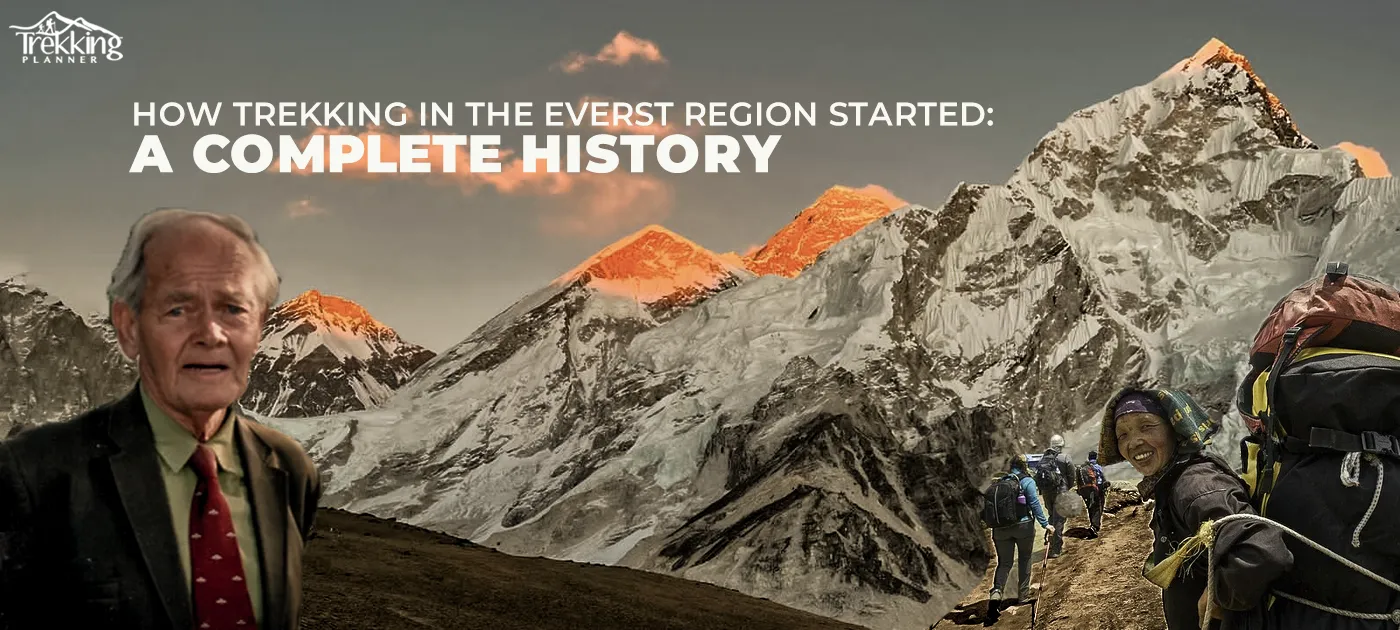
Colonel James O.M. Roberts: In 1950, James O.M. Roberts, a British explorer and geologist, organized an expedition to Everest. This expedition followed the traditional route from Jiri, a small town in eastern Nepal, and laid the groundwork for the classic EBC Trek. In 1964, Roberts founded Mountain Travel Nepal which was the first commercial trekking company in Nepal and Asia. In 1965, he organized the very first commercial trek to Everest Base Camp which led three American women on the journey. He is also credited for popularizing the word “trekking.”
Early Trekkers: Following the successful summit of Everest, the region gradually opened up for trekkers. In the 1960s and 1970s, a few adventurous individuals began venturing into the Everest Region, including the Solu-Khumbu area, to explore the trails and experience the stunning Himalayan landscapes.
Who is responsible for starting the trek in the Everest Region?
A group of Sherpa guides and mountaineers initiated the Trekking Industry in the Everest Region in the mid-20th century. Among them, Tenzing Norgay, a Sherpa mountaineer, and Sir Edmund Hillary, a New Zealand mountaineer, became the first climbers to successfully reach the summit of Mount Everest on May 29, 1953. Their successful ascent of the mountain sparked worldwide interest in the region, leading to the development of trekking routes and the growth of the trekking industry in the Everest Region. Since then, the local Sherpa community and various trekking companies have played an essential role in developing and managing the trekking trails in the Everest Region.
How was trekking in Everest at that time?
When the trekking industry in the Everest Region began in the mid-20th century, the trails were much more primitive and difficult to navigate than they are today. Trekking in Everest was primarily for mountaineering expeditions, and there were very few facilities or infrastructure to support trekkers.
The early trekkers in the Everest Region faced many challenges, including rugged terrain, unpredictable weather conditions, and limited access to necessities such as food and shelter. The trails were often narrow and steep, with many sections that required trekkers to cross high suspension bridges or traverse rocky terrain.
Accommodation was limited to basic tea houses or camping, and food options were generally limited to locally available staples such as rice, dal (lentil soup), and potatoes. Communication with the outside world was minimal, with no internet or mobile phone networks.
Despite these challenges, trekking in the Everest region remained a popular and rewarding experience for adventurous trekkers, drawn by its stunning natural beauty and the chance to explore the world's highest mountain range. Today, the region has much more developed infrastructure, well-established trekking routes, a wide range of accommodation options, and easy access to modern amenities.
Accommodation, Trials, and Suspension Bridges in the Early Days
In the early days of trekking in the Everest Region, accommodation facilities were very basic. Trekkers usually stayed in simple lodges called tea houses, which local families ran. These tea houses provided basic rooms with shared bathrooms, and food was typically limited to locally available staples such as rice, dal (lentil soup), and potatoes.
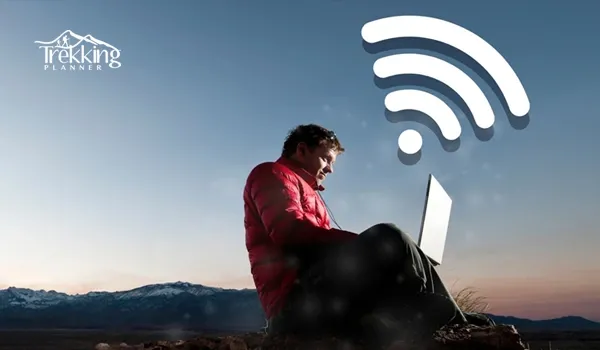
Today, accommodation in the Everest Region has greatly improved, and trekkers have a wide range of options, including luxury lodges and hotels. Many of these lodges offer comfortable rooms with private bathrooms, hot showers, and Wi-Fi access. There are also many restaurants and cafes along the trekking routes, serving a variety of cuisines to cater to the diverse needs of trekkers.
The trekking trails in the Everest Region have also undergone significant improvements over the years. The trails are now well-established, with clear markings and signposts to guide trekkers. The trails are also wider and better maintained, making them easier to navigate. However, some sections of the trail remain challenging, particularly at high altitude, where the terrain is rocky and steep.
Suspension bridges are an essential part of the trekking trails in the Everest Region, providing a way to cross the many deep valleys and gorges. In the early days of trekking, these bridges were often simple, narrow structures made from wood and rope. Today, many of these bridges have been replaced with more modern structures made from steel and concrete, making them safer and more reliable. However, some traditional suspension bridges are still used by trekkers, adding to the adventure and excitement of trekking in the Everest Region.
Opening of Lukla Airport: A Major Turning Point
Trekking was permanently changed by Lukla Airport (later called Tenzing-Hillary Airport), which was first constructed in 1964 (with major assistance from Sir Edmund Hillary) to deliver supplies into the Khumbu region.
Prior to Lukla, nearly all hikers began in Jiri and traveled for six to eight days to get to the trailhead close to Lukla. The traditional Everest Base Camp journey was shortened and made much more accessible when the airport opened and the majority of trekkers started flying straight into Lukla. This change significantly boosted tourism and sped up the expansion of teahouses and services along the route.
Introduction of Commercial Trekking
In the 1980s, organized commercial trekking companies started offering guided treks to the Everest Base Camp. This marked the beginning of the modern era of trekking in the region, as trekkers could now join guided expeditions that provided logistical support, experienced guides, and porters.
Development of Infrastructure.
As the number of trekkers increased, local communities in the Everest Region recognized trekking's potential as a source of income. They started building basic teahouses and lodges to accommodate trekkers. This led to a network of trails, bridges, and facilities along the popular routes.
The Rise of Trekking Agencies for the Everest Base Camp trek?
The rise of trekking agencies for the Everest Base Camp Trek can be traced back to the growing popularity of trekking in the Everest Region. As more and more people began to travel to Nepal to experience the beauty of the Himalayas, trekking agencies emerged to provide support and services to trekkers.
Trekking Agencies in the Everest Region offer a wide range of services to trekkers, including transportation, accommodation, food, and guides. They also help obtain permits and other necessary paperwork and provide information and advice on the best routes and trail conditions.
Today, numerous trekking agencies operate in the Everest Region, ranging from small, locally owned businesses to larger, international companies. These agencies compete to offer the best services and prices to trekkers, and many of them have developed a strong reputation for reliability and professionalism.
While trekking agencies can provide many benefits to trekkers, choosing a reputable agency with a proven track record of safety and customer satisfaction is important. Before choosing a trekking agency, it is a good idea to research, read reviews, and ask other trekkers who have visited the region for recommendations.
Popularity and Growth.
Over the years, the Everest Base Camp Trek gained immense popularity, attracting trekkers from all around the world. The stunning scenery, unique Sherpa culture, and the allure of standing at the foot of the world's highest peak made it a bucket list adventure for many.
Today, trekking in the Everest Region has become one of the most iconic and sought-after adventures in the world. The region continues to attract a large number of trekkers who come to experience the majesty of the Himalayas and immerse themselves in the Sherpa culture and traditions.
Environmental & Cultural Impact of Everest Trekking
The rapid growth of trekking has brought both benefits and challenges:
Positive impacts
- Significant income for Sherpa communities through lodges, guiding, portering, and local businesses.
- Improved infrastructure (schools, health posts, and trails) funded partly by tourism.
Negative impacts
- Overcrowding on popular trails, especially during peak seasons (March–May and September–November).
- Waste management problems and trail erosion.
- Pressure on local culture and traditional lifestyles.
- Increased vulnerability to climate change effects (melting glaciers, unstable trails).
Key Government Milestones & Regulations
- 1976: Sagarmatha National Park was established to protect the Everest region.
- 1979: The park was declared a UNESCO World Heritage Site.
- 2008: The Trekkers’ Information Management System (TIMS) was introduced to track trekkers and improve safety.
- Later years: Entry fees for Sagarmatha National Park and other regulations were formalized. In recent years, the government has tightened rules (including restrictions on solo trekking in certain areas) to improve safety and management.
Some hard facts about the Everest Base Camp trek in Nepal are sad but true.
While the Nepalese Government regulates and manages trekking in the Everest Region, local people and trekking agencies provide much of the advertising, maintenance, and support for trekkers. Local people, particularly the Sherpa community, play a crucial role in maintaining the trekking trails and infrastructure in the Everest Region. They build and maintain the trekking trails, construct and run tea houses and lodges, and provide many of the support services that trekkers rely on, such as guides, porters, and cooks. The Sherpa community also has a deep understanding of the region and its culture, and they can provide valuable insights and experiences for trekkers.
A Nepal trekking planner is also essential for organizing and facilitating trekking in the Everest Region. Trekking planner Nepal provides a range of services to trekkers, including transportation, accommodation, food, and equipment rental. They also help trekkers navigate the complex permit and paperwork requirements, and can provide guides who are experienced in the region and familiar with the local culture and customs.
While the Nepalese Government provides some support and regulation for trekking in the Everest Region, much of the responsibility for maintaining and promoting the industry falls on local people and trekking agencies. However, the government is working to improve the region's infrastructure and management to ensure the safety and sustainability of trekking in the Everest Region.
Conclusion
One of the best-known adventure destinations in the world today is the Everest Region. The revolutionary surveys of the 19th century marked the beginning of this change. The development of Lukla Airport, Colonel Jimmy Roberts' concept of commercial trekking, and the momentous 1953 Everest climb all contributed to it.
Now a well-supported trekking paradise, it was formerly a remote climbing frontier. Respect for the mountains, the local way of life, and the locals is still necessary, though. The future of trekking in the Everest Region will depend on striking a balance between adventure and sustainability as visitor numbers continue to rise.