Book Now
Price from
US$899

Nepal Pilgrimage Tour - 10 Days

1112 reviews in TripAdvisor
238 reviews in Google
19 reviews in TrustPilot
Trip Facts
Duration
10 Days
Difficulty Level
Easy
Maximum Altitude
1350 m/4430 ft
Starts
Kathmandu
Ends
Kathmandu
Group Size
2+
Activities
Mountain Flight, Cultural and Pilgrimage excursion and wildlife activities
Season
Sept to June

Introduction: Nepal Pilgrimage Tour

Nepal pilgrimage tour is a very popular package as it is known as the land of gods and goddesses and one of the most sacred spiritual places in the world. A pilgrimage tour in Nepal provides you with a chance to visit almost all the religious tours of Nepal. Nepal, a multicultural nation that combined the harmony of Buddhism and Hinduism offers you different religious and cultural places to visit. Holy Hindu Temple Pashupatinath you have an encounter with holy sadhus who are living their life scarifying to Lord Shiva to pay attention and other many religious activities of Hindu society. Bouddhanath stupa and Swayambhunath you will see many Buddhist religious groups and also dual religious groups of Hindus together visit to pray for peace to Lord Buddha.

Trekking Planner organizes Nepal Pilgrimage tours including almost all the highlight pilgrimage sites in Nepal such as Pashupatinath Temple, Bouddhanath Stupa, Dakshinkali, Lumbini, Manakaman, and many more. We always provide reasonable prices and quality service. We provide all possible help and guidelines to make your holiday enjoyable and hassle-free. We also offer to customize treks and tours for individuals and groups.

Higlights of Nepal Pilgrimage Tour

  • Visit Nepal's most sacred Hindu and Buddhist pilgrimage sites.
  • Receive blessings at the holy Pashupatinath Temple.
  • Explore the UNESCO World Heritage Sites of Kathmandu Valley.
  • Experience the peaceful atmosphere of Boudhanath Stupa.
  • Visit the ancient Swayambhunath (Monkey Temple).
  • Discover the magnificent reclining Vishnu at Budhanilkantha.
  • Worship at Dakshinkali Temple.
  • Enjoy a scenic cable car ride to Manakamana Temple.
  • Explore Pokhara's famous religious landmarks.
  • Experience authentic Nepalese culture and traditions.
  • Travel with professional guides and comfortable transportation.

Why Choose the Nepal Pilgrimage Tour?

Experience Nepal's Spiritual Heritage

Nepal is one of the few countries where Hinduism and Buddhism have coexisted harmoniously for centuries. This pilgrimage provides an opportunity to experience both traditions while visiting temples and monasteries of immense historical and religious significance.

Carefully Designed Itinerary

The itinerary balances spiritual exploration, sightseeing, and relaxation. Travel times are optimized to minimize fatigue while maximizing your experience at each destination.

Visit UNESCO World Heritage Sites

Several locations included in this tour are recognized by UNESCO for their outstanding cultural and historical importance, offering a fascinating glimpse into Nepal's rich religious heritage.

Comfortable Travel Experience

The package includes quality accommodations, private transportation for ground travel, domestic flights where required, and experienced local guides who provide valuable insights into Nepal's history, culture, and religious traditions.

Suitable for All Age Groups

This pilgrimage is designed for families, senior travelers, spiritual seekers, and cultural enthusiasts alike. With proper planning and comfortable travel arrangements, it is suitable for most fitness levels.

Breathtaking Himalayan Scenery

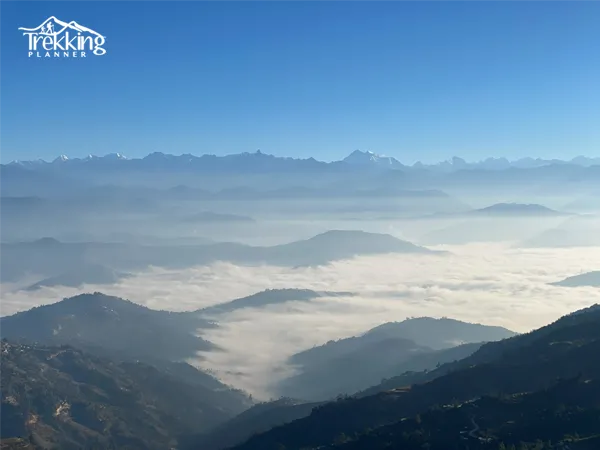
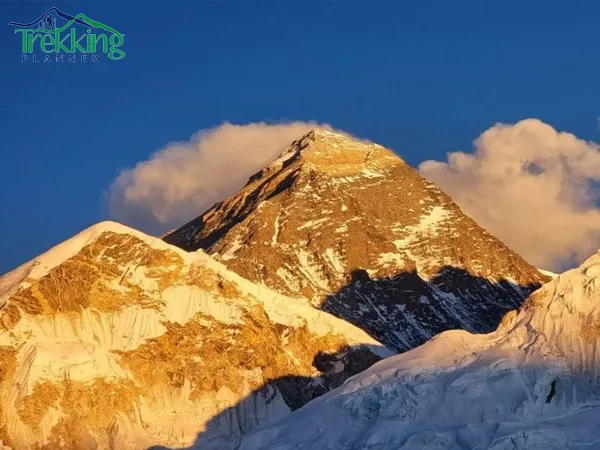
In addition to its spiritual significance, the journey offers magnificent views of snow-capped Himalayan peaks, deep valleys, pristine lakes, and picturesque villages.

Authentic Cultural Encounters

Interact with local priests, monks, pilgrims, and villagers while learning about Nepal's diverse customs, festivals, architecture, and religious practices.


Nepal Pilgrimage Tour - 10 Days Itinerary

Day 1

Arrival at Kathmandu

As you arrive in Kathmandu, a representative will be waiting outside the airport holding a company placard to help with identification. Upon meeting, the representative will greet you and transfer you to a private vehicle for the drive to your hotel in Thamel. The ride from the airport to Thamel will take about 20 minutes, depending on traffic conditions.

After you arrive at your hotel, the representative will assist you with check-in. Then you can go to your room and relax for a bit. Later in the evening, you will meet the company owner and discuss how the tour will commence. All your confusion and questions will be answered during the meeting.

When the meeting concludes, you will join our representative for a welcome dinner in an authentic Nepalese restaurant. During the dinner, you can taste local Nepali cuisine while enjoying traditional dance and music. As the dinner concludes, you will be transferred to your hotel. There you can rest and prepare for the following day. Stay overnight in Kathmandu.

Note: At the airport, you may encounter people who voluntarily approach you to carry your luggage to the vehicle. Please be aware that they do not represent our company. After assisting you with your luggage, they often ask for money, which can feel uncomfortable, especially at the start of your trip. To avoid such a scenario, please hand your bags only to our company representative, who will be clearly identifiable and happy to assist you. This way, you will not have any hassle or unwanted surprises.

Day 2

Full day in Kathmandu

Wake up in your Kathmandu hotel and have breakfast. Later, around 9 A.M., a private vehicle, along with your tour guide, will meet you at the hotel lobby. Then, you will have a full day sightseeing around the UNESCO World Heritage Sites of Kathmandu.

You may begin the tour in any order, visiting Swayambhunath Stupa, Kathmandu Durbar Square, Pashupatinath Temple, and Boudhanath Stupa.

Swayambhunath Temple: Also known as the Monkey Temple, dates back to 460 A.D. The temple lies on the western side of Kathmandu, a city that blends Buddhism and Hinduism. There are two entrances to the temple, one of which has 365 stone steps, each representing a day of the year. Some attractions of the Swayambhunath stupa are as follows:

  • Swayambhunath Stupa: White dome stupa with all-seeing Buddha eye.
  • Vajra: A large golden thunderbolt located on the eastern side of the stupa.
  • World Peace Pond: A pond located near the flight of steps leading to the main stupa.
  • Ajima Temple: Temple dedicated to Harati Devi, who protects children.
  • Dewa Dharma Monastery: A monastery known for its bronze Buddha and paintings.

Kathmandu Durbar Square: Also known as Hanumandhoka Durbar Square and Basantapur Durbar Square, which is marked by Newari architecture, stone carvings, temples, and wood carvings. Some popular attractions of Kathmandu Durbar Square are as follows:

  • Hanuman Dhoka Durbar: It was built by King Prithivi Narayan Shah, is now a museum.
  • Taleju Temple: It was built by King Mahendra Malla in 1,549 A.D.
  • Kala Bhairav: A Gigantic statue of Kal Bhairav, the god of destruction, which King Pratap Malla discovered.
  • Shiva Parvati Temple: The temple features wooden figures of Shiva and Parvati looking out from the central window.
  • Kumari Ghar: The Temple of Kumari features wooden balconies built by King Jaya Prakash Malla. The Kumari goddess, also known as the Living Goddess, is replaced upon reaching puberty.
  • Nasal Chowk: Coronation platform decorated with wood carving and architecture.
  • Mohan Kali Chowk: Statue of Mohan Kali with artistic features.
  • Sundari Chowk: Consists of Sunken Bath and Ornate windows.

Pashupatinath Temple: It is the oldest Hindu temple in Kathmandu, located on the banks of the Bagmati River. The significant attractions of Pashupatinath Temple are as follows:

  • Mukhalinga: Stone representation of Lord Shiva's face.
  • Guhyeshwari Temple: Shrine for Goddess Sati's "yoni" representing divine feminine energy and spirituality.
  • Gorakhnath Temple: Devoted to Guru Gorakhnath, a respected figure in Hinduism's Nath lineage.
  • Western Cremation Ghats: Places where death procedures are held according to the Hindu religion.

Boudhanath Stupa: The Largest Buddhist stupa of Kathmandu. White dome-shaped with a pinnacle on the top. The pinnacle represents Mount Sumeru (King of Mountains). The dome consists of the all-seeing Buddha eye. The significant attractions of Boudhanath Stupa are as follows:

  • Ajima Temple: Temple dedicated to Mamo Pusaki, who is the protector of the stupa.
  • Historical Pond and Ghyoilisang Peace Park: Located in the northwest part of Boudhanath.
  • Guru Lhakhang Monastery: Oldest Nyingma monastery of the area.
  • Jhamchen Lhakhang Monastery: Consists of a 32-foot-high statue of Maitreya Buddha.
  • Samtenling Monastery: Oldest Tibetan Monastery in Boudhanath.

After the completion of the Kathmandu City tour, you can have lunch in Boudhanath. You can enjoy Tibetan and Nepali cuisine for lunch. Then, return to your hotel. You can have dinner around the streets of Thamel, or you can have it in the hotel. Then, rest, relax, and spend the night in Kathmandu.

Day 3

Drive to Manakamana Temple (about 4 hrs drive)

Today, you will wake up early and have breakfast, or get a packed lunch from the hotel. Afterward, our guide will escort you to the nearby bus station for a drive to Pokhara. The drive from Kathmandu to Manakamana takes four hours, depending on traffic. However, it may be longer due to ongoing construction along different sections of the road. The road condition is often good, though some sections can be bumpy due to construction work.

You will travel from Thankot, leaving Kathmandu along the river road, and pass various waterfalls and prominent villages like Naubise, Thakre, Gajuri, Benighat, and Kurintar, then to Manakamana. Since you are visiting a Hindu sacred site, it is better to worship on an empty stomach.

Then, as you reach the Manakamana Temple entrance in Kurintar, you can catch a cable car that connects Kurintar to the Manakamana Temple on Kafadada Hill. The cable car ride takes about 20 minutes, and the temple is located 1300 meters away. After the cable car ride, please continue with the visit to Manakamana temple and its popular attractions.

  • Golden Door with Line of Sacred Bells: The golden door is the main entrance to the Manakamana temple, which is gold-plated and features beautifully carved Hindu symbols, deities, and a floral pattern. Above the doorway, a row of heavy bronze and brass bells rings before entering the temple.
  • Manakamana Temple (Garbha Griha): The center of the area lies the Garbha Griha, where Goddess Manakamana is enshrined. Here, Goddess Manakamana is depicted as the form of Bhagwati. The main idol is adorned with fresh flowers, sindoor, red cloth, and traditional ornaments. Devotees believe that Goddess Manakamana has the divine power ot fulfill the wishes of her devotees. Most newlyweds also visit Manakamana Temple to seek blessings for fertility and a healthy child.
  • Spacious Stone Courtyard: The inner stone-paved courtyard of Manakamana Temple is filled with pilgrims. The space is used by pilgrims who stay in line to visit the main deity. Similarly, other pilgrims perform several puja, offer offerings, light oil lamps, and relax.

After the visit to the Manakamana Temple, you can have a short tea break. Afterwards, return via cable car and settle in an accommodation option. Then, have dinner, rest, and stay overnight in Manakamana.

Day 4

Drive to Pokhara (about 4 hrs drive)

Today, you will wake up early and have breakfast, or get a packed lunch from the hotel. Afterward, our guide will escort you to the private vehicle for a drive to Pokhara. The drive from Manakamana to Pokhara takes about four hours, depending on traffic. However, it may be longer due to ongoing construction along different sections of the road. Once you reach Pokhara, settle into your accommodation option, then refresh for a bit.

Then, you will continue your Pokhara tour, where you will see some of the city's popular attractions. The tour will include a visit to the following places:

  • Lakeside Pokhara: Phewa Lake is the second-largest lake in Nepal, which is popular for boating. Across the lake, on an island, lies the Tal Barahi temple. The lakeside area is a vibrant space with restaurants and pubs. It is also a good place for walking and peace.
  • Tal Barahi Temple: It is located in the center of Phewa Lake and is dedicated to the boar manifestation of Ajima. The temple is two-storied and represents the protester deity of female force. You can see pilgrims carrying male animals and fowls across the lake for sacrifice.
  • Bindabasini Temple: Located in the old part of Pokhara Bazaar, it is the oldest Hindu temple of Pokhara. You can seek blessings and offer offerings at the temple devoted to Goddess Bindhyabasini, regarded as an incarnation of Goddess Kali. It is believed that the central part of the goddess was brought from India.
  • Devi's Fall: It is a waterfall that forms a 500-foot-long underground tunnel before disappearing. The name is dedicated to a Swiss woman who lost her life while swimming there. The Davis fall area is beautifully landscaped and caters to tourists. The garden around the waterfall is perfect for spending quality time and taking photographs.
  • Gupteshwor Mahadev Cave: It is a large limestone cave that has a statue of the Hindu God Shiva. The limestone cave features an underground waterfall, suggesting that water from the Devi's fall flows beneath it. The waterfall running down a small pool is one of the highlights of the Gupteshwor cave. Other than that, the cave has a large Shiva lingam at its entrance.
  • World Peace Stupa: It is a white, dome-shaped hilltop stupa located in Anadu Hill. The stupa symbolizes purity and offers a stunning view of Annapurna and Pokhara. The World Peace Stupa features four images of the Buddha, each facing a different direction. The peace pagoda has several trekking trails that cross Phewa Lake, or one can cycle along tracks to the top of the hill. Reaching the hilltop can be part of a blissful silence and cool breeze. You can meditate or interact with the local monks.
  • Pumdikot: It consists of a 51-foot-tall Shiva statue, which has religious significance. The Shiva statue is seated, with the right hand raised in a gesture of blessing. The left hand holds a Trishul, which symbolizes the power to destroy for balance. There are 108 stone-paved steps to reach the top of the Shiva statue.

You can have lunch at any suitable spot between the Pokhara tour. As the tour concludes, the vehicle will drop you off at your hotel. Later in the evening, have dinner, and you can go out to buy some souvenirs or grab a few drinks. You can stroll around and enjoy Pokhara's nightlife. Then, return to the hotel and rest. Spend overnight in Pokhara.

Day 5

Drive to Lumbini (4-5 hrs drive)

Today, wake up, refresh, and have breakfast at Pokhara hotel. Then, after breakfast, get ready to leave Pokhara and head towards Lumbini, the birthplace of Gautam Buddha. A private vehicle will drive you to Lumbini, a 5–6-hour drive depending on road conditions.

During the drive, you will continue through the flat, agricultural land of the Terai, passing through scenic villages and farmland. The drive will provide a glimpse of rural Nepalese Life through the lowland. Most roads are paved for a smooth ride. You will have lunch at a suitable place along the highway.

As you approach Lumbini, settle into an accommodation, then get ready for the Lumbini Sightseeing Tour. Some of the popular attractions for visitors are as follows:

  • Maya Devi Temple: It is the most sacred site in Lumbini. It is believed that the Maya Devi Temple is the exact spot where Lord Buddha was born. The temple houses stone slabs that mark the actual birthplace of Lord Buddha. The temple is named after the mother of Buddha, Maya Devi. You can see pictures of Buddha and Queen Maya Devi inside the temple. The temple features a sacred pond where Maya Devi took a ritual bath after giving birth. Likewise, there is the famous Bodhi Tree, where Maya Devi is said to have rested in the shade.
  • Ashoka Pillar: The pillars were apparently built during 249 BC when Emperor Ashoka of India visited Lumbini. He built the four stupas and a pillar with a horse idol on the top. There are also ancient inscriptions that mention Ashoka describing the importance of Lumbini as the birthplace of Lord Buddha. The pillars are now surrounded by a small fence, prayer flags, and incense sticks used for meditation.
  • Myanmar Golden Temple: The Golden Temple has three prayer halls, which are among the oldest structures in Lumbini. The temple's interior features the Lokamani Pula Pagoda.
  • World Peace Stupa: The stupa was made by the Japanese Buddhist Organization in 2001 in Lumbini. It is a white-domed structure decorated with Buddhist symbols and paintings of Buddha. The central part of the stupa features a golden statue of the Buddha in meditative posture.

After completing the sightseeing tour, settle into an accommodation option, have dinner, and spend the night in Lumbini.

Day 6

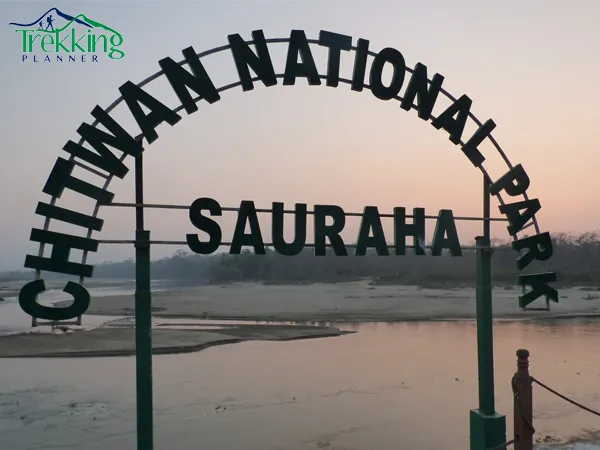
Drive to Chitwan National Park

Today you will wake up early and have breakfast in Kathmandu. Then you will pack your bags and head to Chitwan. A private vehicle will pick you up and take you on a scenic drive to Chitwan. The drive will take about 4-6 hours, depending on the road and traffic conditions. As you leave Kathmandu, you will drive along the Prithivi Highway along the riverside road following the Trishuli Highway.

You can see the landscape change from the urban city of Kathmandu to more rural areas with traditional villages. Along the highway, you will see various terraced farmlands, waterfalls, and small towns that welcome you to Chitwan. You can have lunch at a suitable place along the highway.

As you approach Chitwan, you will drive towards Sauraha, which is the entry stop to Chitwan National Park. Upon reaching Sauraha, settle in an accommodation option and have dinner. Stay overnight in Chitwan.

Day 7

Full day in Chitwan National Park

Today, wake up, refresh, and have breakfast in Chitwan. Then, pack your bags and head towards Chitwan National Park for exploration. You will begin the Jungle safari on a private jeep or elephant back. The tour lasts about 30 minutes, and you will head deep into the forest in search of exotic wildlife. Be sure to look out for one-horned rhino, Bengal tiger, Musk deer, Antelope, Crocodiles, and others. You can click plenty of photos and enjoy the natural scenery.

After the jungle safari, you can visit the Elephant Breeding Center in Sauraha. You can see live actions taken to preserve and protect the land animals. The breeding center aims to protect wildlife and raise awareness of its importance. Afterwards, you can engage in various activities inside the national park, including Jungle walks, canoeing in the Rapti River, Elephant bathing, and others.

Later in the evening, you will visit a Tharu village and participate in a Tharu cultural program. Here you will witness Tharu dance and taste Tharu food. You can also visit the Tharu Cultural Museum to learn more about the local culture, traditions, and history.

After your quality time in Chitwan, return to your hotel, rest, and spend the night in Chitwan.

Day 8

Drive to Kathmandu

After waking up, refresh, have breakfast, and start your official return journey. You will leave Chitwan and head towards Kathmandu. The drive will take about 4-5 hours, depending on the road conditions, while covering approximately 179 kilometers. On the journey, you will travel along the Prithivi Highway while driving through rural landscapes, small villages, and waterfalls. You can take breaks along the route and have lunch.

Then, driving along the Trishuli River, you will reach Kathmandu. After reaching Kathmandu, settle in an accommodation place and have dinner. Then relax and go to bed. Stay overnight in Kathmandu.

Day 9

Drive to Dakshinkali

Today, wake up, refresh, and have breakfast. After breakfast, a private vehicle will pick you up and drive you towards Dakshinkali. The drive to Dakshinkali will take about an hour and cover approximately 22 kilometers.

Upon reaching Dakshinkali, begin your temple visit and explore its popular attractions.

  • Dakshinkali Temple: It is the main temple where Goddess Dakshinkali is depicted as a form of Kali. Unlike many temples, the idol is not covered; her black stone image is decorated with bright red sindoor, flower garlands, and symbolic ornaments.
  • Animal Sacrifice Area: There is a unique ancient tradition of animal sacrifice, performed in the dedicated Animal Sacrifice Area. Here, devotees offer Goats, Chickens, coconuts, and fruits. Temple priests maintain the space.
  • Sacred Spring (Kunda): A small holy spring inside the temple has purifying powers. Devotees wash their hands and sprinkle water on their heads before offering prayers.
  • Yanjna (Havan) Platform: A stone platform dedicated to performing special puja, fire rituals, and tantric ceremonies.

After the visit to Dakshinkali, you can have a short tea break and lunch. Then, as the tour concludes, you will return to Kathmandu. As you approach Kathmandu, settle in an accommodation option, then rest for a bit. Later in the evening, you will have a farewell dinner with the company owner and representative. At dinner, we will discuss how the tour went and hope to get some feedback. After dinner, if time permits, you can do some last-minute shopping or stroll around the streets of Thamel. Then, as the dinner concludes, settle into your accommodation, rest, and stay overnight in Kathmandu.

Day 10

Final Departure

Today, according to your flight schedule, a private vehicle will drop you off at the airport for your departure. We wish you all the best of luck in your future endeavors. As we bid goodbye, the Nepal Pilgrimage Tour with Trekking Planner Nepal Pvt. Ltd. ends. We hope to see you again for another adventure in Nepal. Until then, best wishes and have a safe flight. Namaste!

Still Confused?
No worries — team is ready to guide you everystep of the way.

Dates & Availability

Trip Duration
10 Days
Trip Starts & Ends Point
Kathmandu / Kathmandu
Plan your schedule
  • Trip departures are available every day of the year.
  • This tour is totally customizable. If you wish to personalize the tour, please contact us.
  • This tour is offered as a set departure as well as on a private group basis.
  • You may book this trip privately whether you are going alone or with your family.
  • Got a huge group? We can satisfy all your needs.
  • We can collaborate to make it inexpensive.
  • We offer online payments and same-day reservations.

Nepal Pilgrimage Tour - 10 Days Cost Details

Trip Includes

  • Welcome dinner in an authentic restaurant.
  • All airport pick-up and drop-off by private vehicle (for both international and domestic flights)
  • 04-night twin/double sharing accommodation on BB in Kathmandu
  • 01 Night Twin Sharing Accommodation on BB in Pokhara
  • 01-night twin/double sharing accommodation on BB in Manakamana
  • 01-night twin/double sharing accommodation on BB in Lumbini.
  • Guided sightseeing tours on all the pilgrimage sides with private vehicles. (entrance fees extra)
  • Kathmandu to Manakamana to Pokhara to Lumbini to Chitwan to Kathmandu by private vehicle
  • 02-night/03-day safari activities at Chitwan National Park
  • A highly experienced, helpful, knowledgeable, friendly, English-speaking, well-trained, government license-holding trekking guide. The price includes his salary, food, drinks, accommodation, transport, and insurance.
  • First aid kit box.
  • Trekking Planner’s T-shirt, cap, duffle bags, and city maps, if necessary.
  • An arrangement for emergency evacuation service (You should have insurance for emergency evacuation, which your travel insurance company will pay.)
  • All applicable government and local taxes per the itinerary

Trip Excludes

  • Welcome dinner in an authentic restaurant.
  • All airport pick-up and drop-off by private vehicle (for both international and domestic flights)
  • 04-night twin/double sharing accommodation on BB in Kathmandu
  • 01 Night Twin Sharing Accommodation on BB in Pokhara
  • 01-night twin/double sharing accommodation on BB in Manakamana
  • 01-night twin/double sharing accommodation on BB in Lumbini.
  • Guided sightseeing tours on all the pilgrimage sides with private vehicles. (entrance fees extra)
  • Kathmandu to Manakamana to Pokhara to Lumbini to Chitwan to Kathmandu by private vehicle
  • 02-night/03-day safari activities at Chitwan National Park
  • A highly experienced, helpful, knowledgeable, friendly, English-speaking, well-trained, government license-holding trekking guide. The price includes his salary, food, drinks, accommodation, transport, and insurance.
  • First aid kit box.
  • Trekking Planner’s T-shirt, cap, duffle bags, and city maps, if necessary.
  • An arrangement for emergency evacuation service (You should have insurance for emergency evacuation, which your travel insurance company will pay.)
  • All applicable government and local taxes per the itinerary

Essential Information

Best Time for Nepal Pilgrimage Tour

The Nepal Pilgrimage Tour can be enjoyed throughout most of the year, but certain seasons offer the most favorable weather and mountain views.

Spring (March to May)

Spring is one of the best times to visit Nepal.

Highlights include:

  • Pleasant temperatures
  • Blooming rhododendron forests
  • Clear mountain views
  • Comfortable sightseeing conditions
  • Major religious festivals

Average temperature:

  • Kathmandu: 18°C–30°C
  • Pokhara: 20°C–32°C

Autumn (September to November)

Autumn is considered the peak travel season.

Advantages include:

  • Crystal-clear Himalayan views
  • Stable weather
  • Comfortable temperatures
  • Excellent road conditions
  • Major festivals like Dashain and Tihar

Average temperature:

  • Kathmandu: 15°C–28°C
  • Pokhara: 18°C–30°C

Winter (December to February)

Winter offers peaceful pilgrimage experiences with fewer tourists.

Expect:

  • Cold mornings
  • Clear skies
  • Less crowded temples

Travelers should bring warm clothing.

Monsoon (June to August)

Although pilgrimage is possible during the monsoon, travelers should be aware of:

  • Heavy rainfall
  • Possible road delays
  • Cloudy mountain views

However, the countryside becomes lush and green during this season.

Culture and Religious Significance

Nepal is unique because Hinduism and Buddhism have flourished together for centuries. Temples and monasteries often stand side by side, reflecting a tradition of religious harmony.

Pilgrims visiting Nepal have the opportunity to experience:

  • Ancient rituals
  • Temple ceremonies
  • Buddhist chanting
  • Prayer wheels
  • Butter lamps
  • Monastic life
  • Traditional festivals
  • Sacred rivers
  • Himalayan spirituality

Visitors are encouraged to respect local customs by dressing modestly, removing shoes before entering temples where required, and asking permission before photographing people or religious ceremonies.

Responsible Tourism

Responsible travel helps preserve Nepal's cultural heritage and natural environment.

We encourage travelers to:

  • Respect religious traditions.
  • Dress appropriately at sacred sites.
  • Avoid littering.
  • Carry reusable water bottles.
  • Support local businesses and artisans.
  • Purchase locally made handicrafts.
  • Minimize plastic waste.
  • Follow instructions from guides and temple authorities.
  • Respect wildlife and natural habitats.

By traveling responsibly, you contribute to the preservation of Nepal's spiritual and cultural treasures for future generations.

Why Choose Nepal Trekking Planner?

Choosing the right travel company makes your pilgrimage safer, more meaningful, and more enjoyable. Nepal Trekking Planner is committed to providing high-quality service with experienced professionals and personalized attention.

Our Advantages

  • Licensed and experienced guides
  • Professionally designed itineraries
  • Comfortable accommodations
  • Private transportation
  • Reliable domestic flight arrangements
  • Transparent pricing with no hidden costs
  • 24/7 customer support
  • Flexible departure dates
  • Customizable itineraries
  • Excellent safety standards
  • Friendly local hospitality
  • Years of experience organizing pilgrimages across Nepal

Whether you are traveling alone, with family, or as part of a religious group, our team works to ensure your journey is smooth and memorable.

Conclusion

The Nepal Pilgrimage Tour – 10 Days is more than a sightseeing holiday—it is a journey of faith, culture, and self-discovery. From the sacred temples of Kathmandu Valley to the serene shores of Phewa Lake and the revered Manakamana Temple, each destination offers a unique opportunity to connect with Nepal's profound spiritual heritage.

Whether you are seeking blessings, exploring centuries-old traditions, or simply wishing to experience the peaceful atmosphere of Nepal's sacred sites, this tour provides a well-balanced combination of religious devotion, cultural immersion, and natural beauty. Along the way, you'll encounter welcoming local communities, vibrant festivals, timeless rituals, and breathtaking Himalayan landscapes that leave a lasting impression.

With thoughtfully planned itineraries, experienced local guides, comfortable accommodations, and seamless transportation, Nepal Trekking Planner ensures that every aspect of your pilgrimage is handled with care. We are committed to making your journey enriching, safe, and memorable.

Join us on this unforgettable 10-day pilgrimage and discover why Nepal has long been regarded as one of the world's most inspiring destinations for spiritual travel.

Nepal Pilgrimage Tour - 10 Days Equipments

Nepal Pilgrimage Tour mainly incorporates visits to some of the most prestigious, religious and spiritual landmarks of Nepal. The tour involves walking on uneven streets, cultural sites, and temples which can be in variable weather. So, it is necessary to pack light and wear respectful attire that is comfortable and according to the weather condition. However, it is important to understand that as tourists visit religious areas, they must wear clothes covering shoulders and knees.

Besides that, tourists must bring other essential items required during the tour. But there is always a sort of confusion among members regarding what to pack. So, here is a carefully crafted Nepal Tour packing list that sums up everything you will need for the experience. From general items, cloth layers, headgear, footwear, to accessories and first aid, the list consists of light and smart packing items for every challenging hiking trail.

Note: You do not need to bring all the items mentioned below to Nepal. There are several shops in Kathmandu or Pokhara where you can buy or rent high-quality gear at a reasonable price. So, feel free to pack light and purchase or rent any missing items after your arrival in Nepal. Also, members from Trekking Planner Nepal Pvt. Ltd. can also guide and assist you to find the best deals in gear and equipment in Thamel, Kathmandu.

Key Packing Advice from Trekking Planner Nepal

  • Aim for 5-6 kg maximum in your day bag for a comfortable walking experience especially on steep and long trails.
  • Prioritize light weight, multipurpose and quick drying clothing items.
  • No short clothes inside monasteries or religious places. Shoulders and knees must be covered.
  • Always check the weather forecast for adjusting your layered clothes accordingly.
  • Any religious items for puja or offerings like incense sticks, flowers, fruits, prayer beads and others can be purchased around the temple premises.
  • The company provides T-shirts, and caps if necessary so prepare accordingly.
  • During a multi-day tour, your guide is going to carry a first aid kit, but feel free to bring your personal medicines if necessary.
General
  • Comfortable day pack 
  • Umbrella or Raincoat
  • Reusable water bottle
  • Light rain jacket (according to the weather forecast)
  • Hand sanitizer, wetwipes, and toilet paper
  • Energy Snacks
  • Reusable shopping bag
Upper Body Layers

  • Breathable long sleeve T-shirt
  • Modest top that covers shoulders
  • Lightweight windbreaker (if necessary)
  • Lightweight scarf or shawl
Lower Body Layers

  • Lightweight long pants or kurtha
  • Undergarments
  • Light socks
Footwear & Accessories

  • Closed toe walking shoes
  • Small day pack lock
Head & Sun Protection

  • Wide-brim hat or cap
  • Sunglasses with UV protection
  • Sunscreen (SPF 30+)
  • Lip Balm
Personal & Medical Kits

  • Band aids
  • Antiseptic
  • Pain relievers
  • Personal medications
  • Insect repellent (optional)
  • Motion sickness tablets (optional)
Travel Documents

  • Valid passport or ID
  • Entry permits
  • Nepalese Rupees in small denominations
Miscellaneous

  • Phone, camera, and charger
  • Power Bank for backup
  • Small notebook (optional)
  • Religious items can be purchased around the temple/monastery premises

What Makes Trekking Planner Different?

Deep Dikshya Foundation

In the Himalayan nation of Nepal filled with eight out of the fourteen world’s highest mountains lies a chance of adventure that creates unforgettable memories. With all those memories and [...]

Explore More
Sustainable Toursim
Sustainable Toursim

Trek Responsibly. Leave a Positive Impact. At Trekking Planner Nepal Pvt. Ltd., sustainable tourism in Nepal is not just [...]

Explore More
Responsible Tourism
Responsible Tourism

Responsible tourism is not just a concept, it is the guiding philosophy of Trekking Planner Nepal. As a pure Nepalese-owned trekking company with over 20 years of experience, we believe [...]

Explore More

Nepal Pilgrimage Tour - 10 Days FAQs

general-infoGeneral
What are the main pilgrimage sites included in this tour?

The main pilgrimage sites that are included in this tour are:

  • Kathmandu Durbar Square

  • Pashupatinath Temple

  • Swayambhunath Temple

  • Patan Durbar Square

  • Boudhanath Stupa

  • Manakamana Temple

  • Tal Barahi Temple

  • Gupteshwor Mahadev Cave

  • Bindhyabasini Temple

  • Lumbini

  • Dakshinkali Temple

What to do in Nepal for 10 days?

Those who want to visit Nepal for 10 Days can go on a pilgrimage tour. On the pilgrimage tour visitors can visit some of the prominent religious sites including temple, stupas and durbar square. You can give offerings and receive blessings and go on a religious journey with Trekking Planner Nepal.

How much money do you need per day in Nepal?

One will need NRS 3000 per day in Nepal. The amount is enough for most travelers to buy food, drinks, transportation and basic accommodation.

Are there any specific cultural etiquettes to follow at religious sites?

There are not any particular culture etiquettes to follow at religious sites however it is essential to keep in mind the following things:

  • Dress modestly without exposing much skin.

  • Respect the culture and follow the instructions.

  • Accept the cultural gap and don't contradict their beliefs.

  • Ask for permission before taking photographs.

  • Respect and prioritize gurus and sadhus.

Itinerary and duration
Is 10 days enough for Nepal?

Yes, 10 days are enough for Nepal with the right itinerary. If you want to visit the prominent attractions, understand the local culture or want to enjoy a memorable time in the Himalayas then 10 days are enough. However, if you want to encompass all together then you might have to extend a few days.

How many days are required for Nepal trip with family?

About one week to ten days are required for a Nepal trip with family. However, the length of the days for the family trip depends upon what you want to do. Similarly, 7-10 days will give you a good introduction of the country.

How long do you need to explore Nepal?

It will take at least 3 weeks to visit and explore Nepal. However if you want to get the glimpse of Nepal then only two days are sufficient. So the period required to explore Nepal depends upon the interest.

How many days can you stay in Nepal?

International tourists can get an on-arrival visa which lasts for 30 days. Tourists can extend their stay after 30 days however they will have to pay extra per day of stay.

Is 1 week in Nepal enough?

Yes, one week in Nepal is enough for a pilgrimage tour in Nepal. One week provides a glimpse of tradition and culture. However, if people want to properly enjoy and understand more about Nepal, a week period is not enough. 

Can the itinerary be customized?

Yes, the itinerary can be customized. Trekking Planner Nepal provides customized itinerary facilities for travelers based on their personal interests. Travelers can then adjust the place of visit and how they want to spend the 10 days pilgrimage tour.

Best Time To Trek
What is the best time of year for a pilgrimage tour in Nepal?

The best time for a pilgrimage tour in Nepal all year round. However, for the best experience Trekking Planner Nepal recommends travelers to visit during spring and autumn. Spring in Nepal lasts from March to April and autumn in September to November. During this period, the weather condition is moderate and skies are clear which helps to enhance the experience.  

Prepration and suitability
How to plan a budget trip to Nepal?

To plan a budget trip to Nepal, it is best to avoid companies who charge you with hidden costs. Likewise, you can cut costs by choosing other options like budget accommodation, transportation, food, and free or low-cost activities.

Are there any special requirements for visiting religious sites?

Yes there are some special requirements for visiting religious sites. Some of the special requirements are:

You will need permits for some of the UNESCO world heritage sites.

  • Dress modestly while visiting religious sites.

  • Give space and route for gurus and sadhus.

  • Ask permission before taking photographs.

  • Be mindful of sacred objects and artifacts.

  • Be respectful of the cultural difference.

Food, Accomodation and Facilities
What accommodations are included in the tour?

The accommodations on the tour are based on the budget. We provide three star and four star accommodation for the tourists on the tour.

Are meals provided during the tour?

Yes, meals are provided during the tour. Breakfast, lunch and dinner are provided during the tour followed by tea or coffee.

Guides & Porters
Are there guides available who can explain the significance of each site?

Yes, experienced and informative tour guides are available who can explain the significance of each site. Likewise the guides can help to provide information about the history, culture, architecture, and tradition of the specific area or landmark.

Cost, Booking, Cancellation & Gurantee
Is Nepal costly for tourists?

No, Nepal is one of the cheapest countries to travel to for tourists. Nepal is considered one of the most affordable countries to travel however how much money to spend likely depends upon the  travel style and preferences.

Permits & Logistics
Is transportation provided between pilgrimage sites?

Yes, transportation facilities are provided between pilgrimage sites. Trekking Planner Nepal provides private car or jeep facility based on the group size to help with the transportation between the pilgrimage sites.

10%
Off
Price Per Person
US$899
US$999
Talk to an Expert
Dipak Lamichhane
Travel Consultant
Dipak Lamichhane
+977 9851071767

You May Also Like

Beautiful sunset over Rapti River Chitwan National Park Nepal landscape
Duration: 3 Days

Chitwan National Park – 2 Nights/3 Days package

Kathmandu/Pokhara/LumbiniKathmandu/Pokhara/Lumbini
Per Person
US$180US$199
Trip Details
Panoramic sunrise view of the Himalayan mountain range from Nagarkot during the Chisapani Nagarkot Trekking.
Duration: 5 Days

Chisapani Nagarkot Trekking - 5days

KathmanduKathmandu
Per Person
US$360US$399
Trip Details
Trekkers enjoying sunrise views from Kala Patthar during Everest Base Camp Premium Trekking Package Tour
Duration: 9 Days

Everest Base Camp Premium Trekking Package - 9 days

KathmanduKathmandu
Per Person
US$6399US$6599
Trip Details
Need Help? Call Us+977 9851071767