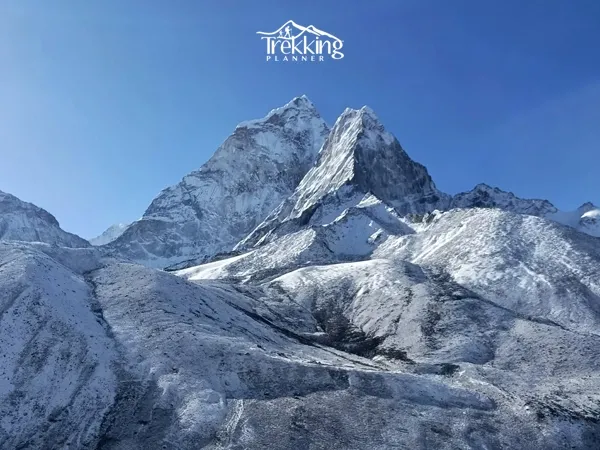
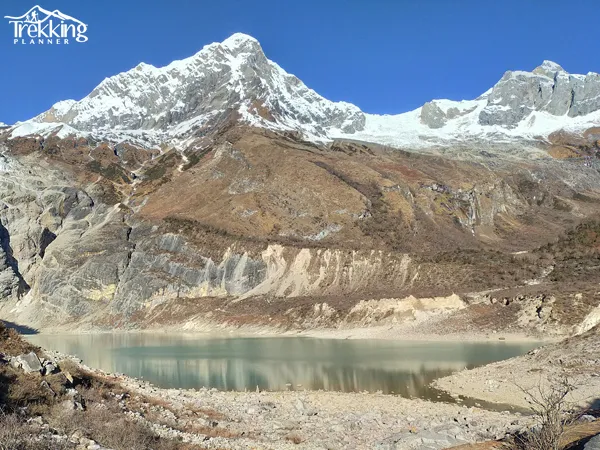
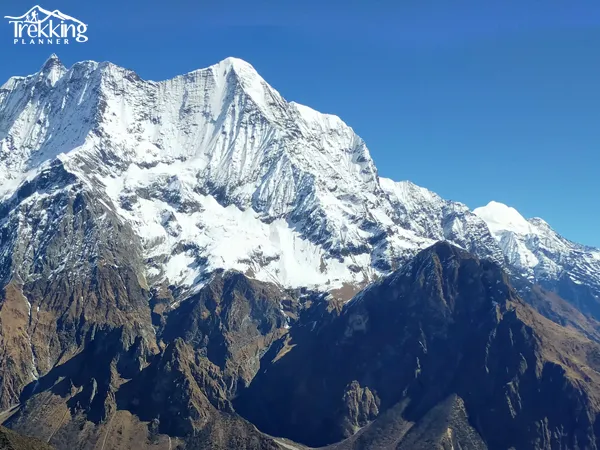
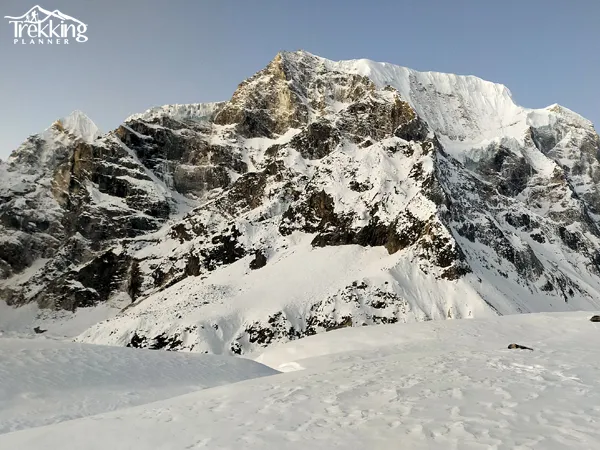
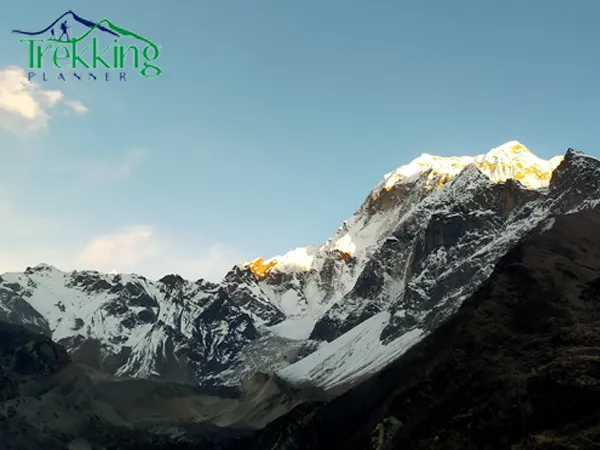
If you're the kind of trekker who craves something raw, remote, and real, the Manaslu region doesn’t whisper adventure—it roars it. I still remember my first glimpse of Mount Manaslu, rising like a white sentinel in the distance, snow swirling around its crown. At 8,163 meters, it’s the eighth-highest mountain in the world, yet somehow still feels like a secret. You won’t find the crowds that fill the Everest or Annapurna trails. Instead, you walk paths carved by salt traders centuries ago, where stone villages cling to cliffs and Buddhist prayers are etched into rock faces. Trekking here is a dive into history, into nature, and into a still-beating spiritual heart. It's wild, untouched, and deeply human.
This region, located in the Gorkha District and part of the Manaslu Conservation Area, starts low and climbs high. You begin in warm, subtropical valleys filled with rice terraces and banana trees. But the higher you go, the more the terrain transforms: pine forests replace jungles, rhododendrons bloom in bursts of color, and eventually, only scrub and rock remain. The trail follows the Budhi Gandaki River, weaving across it on narrow suspension bridges that creak with every step. Then comes the crossing of Larkya La Pass at over 5,100 meters—a wind-lashed saddle between giants. The views are otherworldly. Snow peaks stab the horizon. The cold bites. The silence is complete. It’s not just physically challenging; it’s spiritually humbling.
Geologically, this region tells a story millions of years in the making. The Himalayas were formed by a violent tectonic clash, and you feel that raw energy in the jagged cliffs, unstable ridgelines, and sharp ascents. But what truly defines a Manaslu region trek isn’t just the landscape—it’s the culture that thrives within it. The upper valleys of Nubri and Tsum feel more Tibetan than Nepali, with prayer wheels, yak herders, cliffside monasteries, and a pace of life untouched by modern noise. Trekking in the Manaslu region isn’t about ticking off miles. It’s about entering a world that hasn’t bowed to time or tourism—a trail that leaves something behind in your memory long after your boots are off.
If you want to get ahead of the autumn rush, September is a hidden gem. The Manaslu Circuit trekking beauty in September is unmatched—lush greenery from the monsoon, waterfalls flowing at full force, and snow peaks emerging dramatically through clearing skies. Fewer trekkers on the trail make it even more magical.
Manaslu Region Treks: The Hidden Gem for Real Explorers
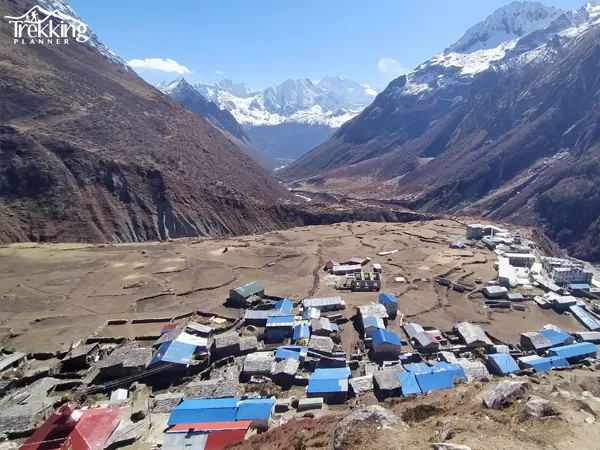
Manaslu region treks are often overlooked, which is exactly what makes them so special. The trails snake through lush rhododendron forests, across suspension bridges that sway over roaring rivers, and into high-altitude villages where yak herders and monks still shape daily life. You pass through Nubri and Tsum Valleys, each with their own language, culture, and centuries-old Buddhist traditions.
Unlike the busier Everest Base Camp or Annapurna routes, trekking in Manaslu region feels personal and untouched. You’re not sharing the trail with dozens of tour groups or rushing to the next teahouse. Instead, you walk in silence, in awe, with snow-capped peaks like Himalchuli and Ngadi Chuli watching over you.
Why Choose the Manaslu Region for Trekking?
The Manaslu region is quickly rising as one of Nepal's best-kept trekking secrets. It’s remote, wild, and culturally immersive—the perfect alternative for trekkers who want more than just panoramic views.
Manaslu – A Top Trekking Destination
Over the years, the area has steadily gained recognition as Manaslu a top trekking destination. Unlike the busier Everest and Annapurna circuits, Manaslu gives trekkers a more secluded, authentic experience. With views of Mt. Manaslu (the world’s eighth highest peak), Tibetan-influenced villages, and high mountain passes like Larkya La, it offers a complete adventure. For more details on why Manaslu is a top trekking destination, click here.
A Restricted Gem in Nepal
Did you know that Manaslu is a restricted area in Nepal? That’s right—Manaslu a restricted area in Nepal requires a special permit and a guide. While this might sound like a hurdle, it’s actually a blessing—it keeps the crowds away and helps preserve the natural and cultural integrity of the region. If you're looking for a remote Himalayan escape with real solitude, this is the place.
Tsum Valley: An Unmissable Extension
If you're aiming for something truly unique, the Manaslu Tsum Valley trek should be on your bucket list. It's one of Nepal’s most spiritual and isolated trekking routes. Tsum Valley has barely changed for centuries. Monasteries cling to cliffs, and locals still follow ancient customs. Adding this side trip makes your Manaslu trek even more unforgettable.