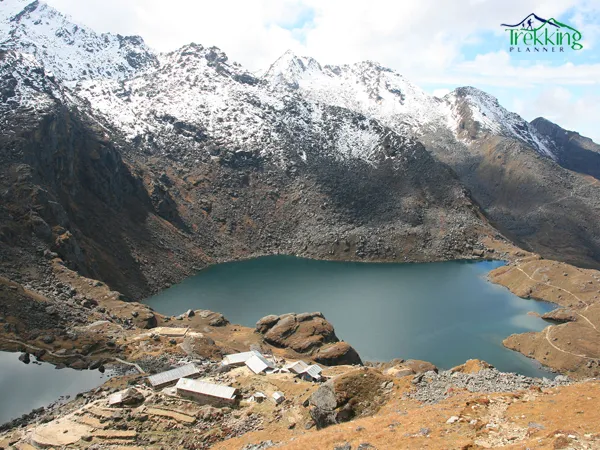
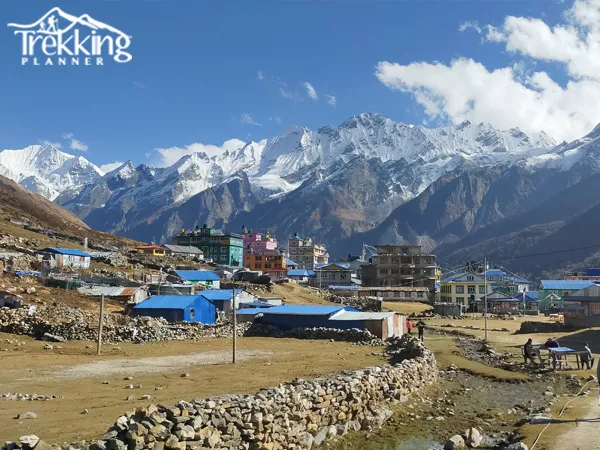
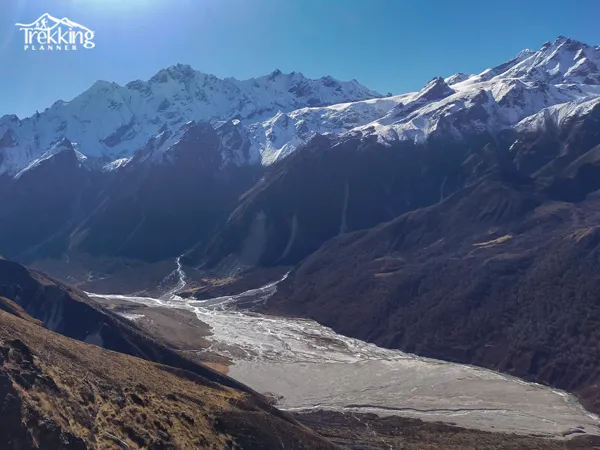
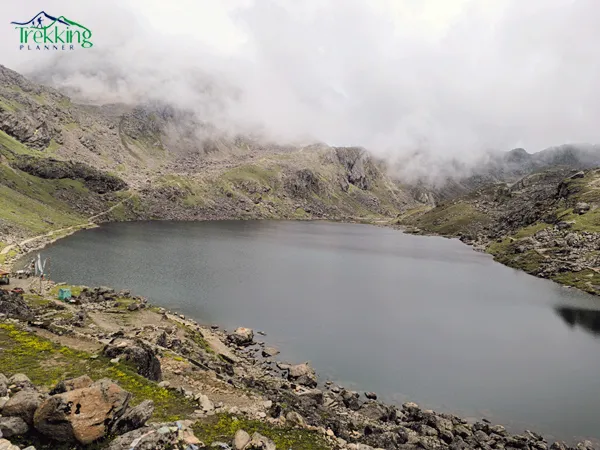
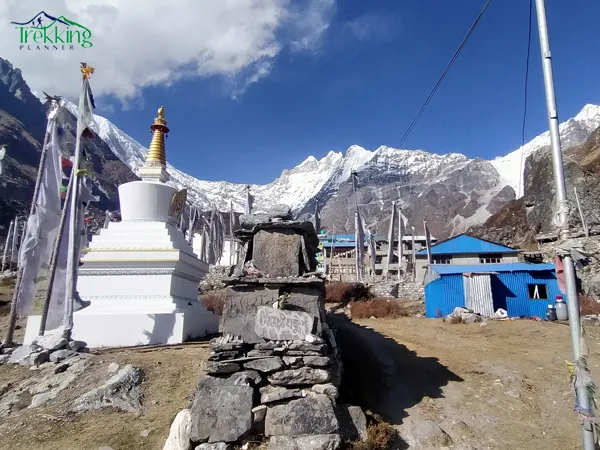
Langtang Trek know as Tamang Heritage Trekking in Nepal is an ideal destination for short trekking from Kathmandu offering a “spectacular view” and where you can have an energizing time at high mountain lakes Gosaikund and the delightful valley “Helambu” Also, you can likewise stopover the Langtang National park and travel to the end of the valley to view brilliant ice woodwinds of Gyangchempo.
The Langtang region is one of Nepal’s most spectacular and culturally rich trekking destinations—yet it remains refreshingly less crowded than Everest or Annapurna. Just 130 kilometers north of Kathmandu, it’s the closest Himalayan trekking region to the capital. The word "Langtang" is derived from two Tibetan words: ‘Lang’ meaning yak, and ‘Tang’ meaning to follow. According to local legend, a Tibetan lama was searching for his lost yak and discovered this hidden valley; thus, it became Langtang, the valley you find by following a yak. This mythical origin still clings to the trails, echoed in prayer stones, whispered in glacial winds, and etched into every switchback.
Nestled in the heart of the Himalayas, the Langtang region is a stunning blend of raw nature, cultural depth, and accessible adventure. Towering above the Langtang Valley is Langtang Lirung, the region’s highest peak at 7,227 meters, framed by glaciers, alpine meadows, and sacred lakes like Gosainkunda. This landscape was carved over millennia by shifting tectonic plates and glacial activity, giving rise to the dramatic geography we see today. The Langtang National Park—Nepal’s first Himalayan national park, established in 1976—protects this remarkable environment, which ranges from lush subtropical forests to icy alpine zones. It’s home to endangered species like red pandas, snow leopards, and Himalayan black bears, as well as over 1,000 plant species that thrive across its steep elevation gradient.
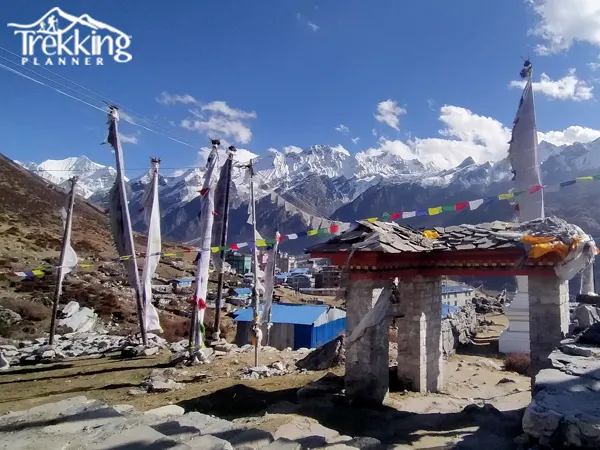
Beyond the scenery, the Langtang region is rich in cultural and historical significance. Settled by Tibetan-origin Tamang communities centuries ago, the valley still holds tightly to its Buddhist roots. Visitors trekking in Langtang region pass ancient monasteries like Kyanjin Gompa, colorful prayer flags, and stone chortens that reflect spiritual traditions intertwined with daily life. Economically, the region has shifted from subsistence farming and yak herding to tourism, especially since the 1970s when trekking routes were opened to foreigners. Today, Langtang region treks like the Langtang Valley Trek and the Gosainkunda Trail attract thousands each year. These treks begin from Syabrubesi, about a day's drive from Kathmandu, and are now regulated with permits and mandatory guide requirements to support safety and local livelihoods. This mix of natural beauty, ecological importance, and deep-rooted tradition makes the Langtang region one of Nepal’s most captivating trekking destinations.
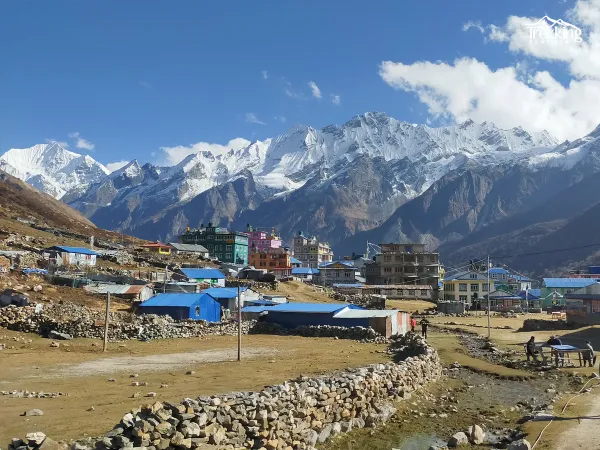
Langtang lies about 130km north of the Kathmandu valley close to the border with Tibet, china. While we go for the trekking in Langtang Area, we drive along the Trisuli River north of Kathmandu, through Trisuli Bazaar, Dhunche lastly achieve at Syabrubensi, a Sherpa town situated at the very edge of the Langtang National Park. At that point, we start our trek to the Langtang valley, in the middle of, we cross numerous streams along a crevasse and go through oak and rhododendron timberlands and reach at Tamangs town of Langtang, giving opportunity to explore the lifestyle, culture, language and dress, each that bears uniqueness. Langtang is also known for its many glaciers and high altitude lakes like Gosaikunda, Parvatikunda, Bhairavkund, Dudhkunda and includes wildlife like migratory birds, monkeys, tahr and pika. There is a spiritual site with Buddhist monastery called kyanjing Gompa on the highest point of the valley, where we stop overnight and visit the nearby yak cheddar industrial facility and have a perspective of the glacial masses, which is additionally a passage to Tibet and we return back to Syabru Town and make an outing to Sing Gompa, a spot where the sacred lake Goisaikund is arranged and we cross the Lauribinayak Pass (4610m), and proceed with south leaving the Langtang Trekking area and reach at Helambu valley and return back to Kathmandu.
Since, Nepal Trekking Planner cares deeply about trekking in a different trekking route with positive impacts on the people and places, we have developed and adopted a few policies like using the local porter, guides and drivers to uplift the local people, similarly we have tried to minimize our impact on the environment by reducing waste and cost by using filtered water instead of mineral water, managing the waste and supporting conservation projects. We support different projects like rural development projects, different orphanage and disable organization from the profit generated. In this way, we go through this beautiful trekking route complementing our social responsibility.
Standout Highlights Along the Trails
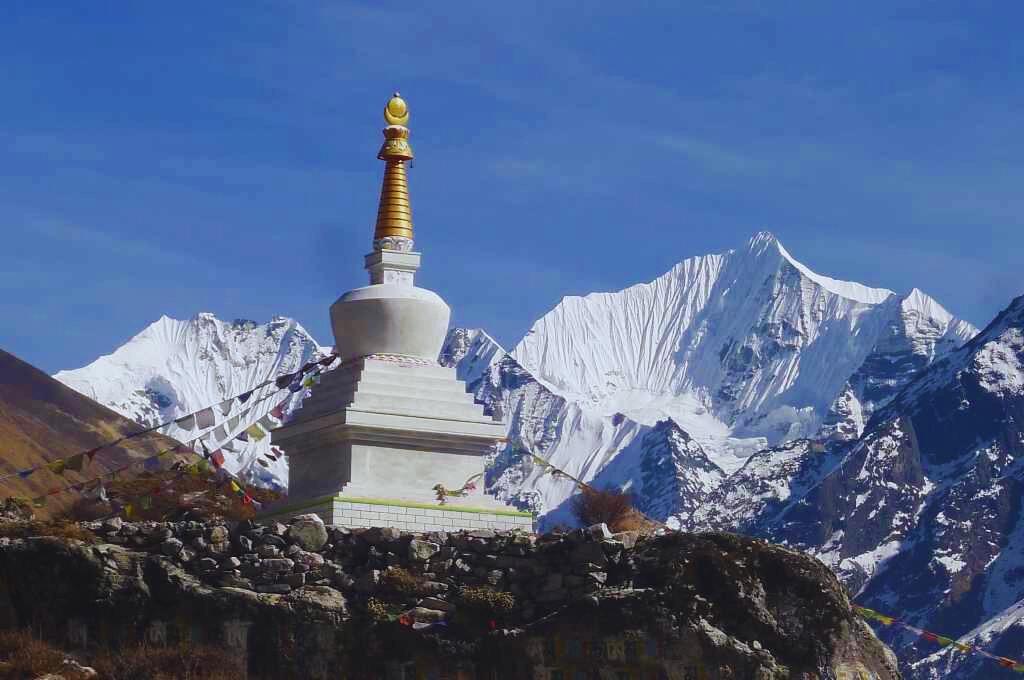
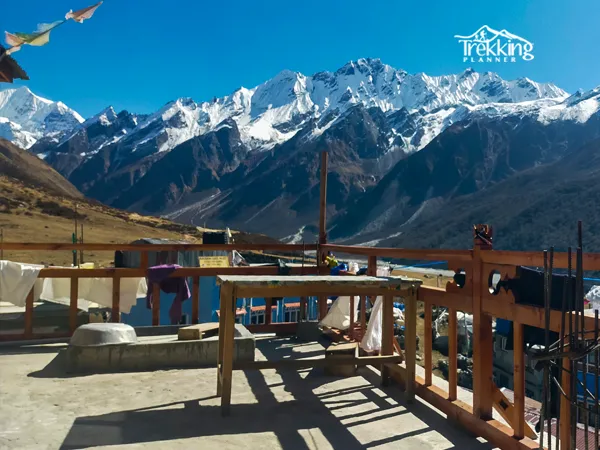
- Kyanjin Gompa: A remote Buddhist monastery at 3,870m surrounded by towering peaks. It’s a perfect base for day hikes to Langshisa Kharka or Kyanjin Ri (for sunrise views).
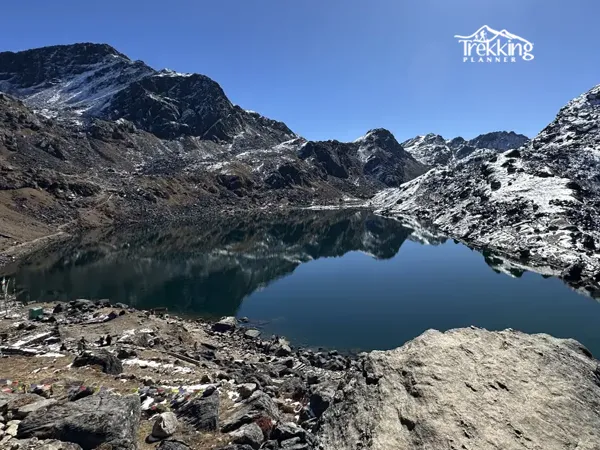
- Gosaikunda Lake: A holy group of lakes at 4,380m which is holy to the Hindus and Buddhists. During Janai Purnima pilgrims make pilgrimage here and it becomes an exciting spiritual scene here.
- Langtang Village Memorial: A powerful reminder of the 2015 earthquake that buried the original Langtang village. Rebuilt nearby, it stands as a symbol of resilience and community strength.
- Local Homestays & Cheese Factories: Interact with local families, learn to make Tibetan bread, or visit yak cheese production centers for a taste of high-altitude dairy craftsmanship.
5 Best Treks in the Langtang Region
Langtang presents some of the best treks that Nepal has to offer- full of culture and nature and soul, but not the hordes of tourists that travel to Everest or Annapurna. Are you going on an expedition to this Himalayan jewel? These are the five most popular Langtang treks that you would find most exciting in terms of diversity, beauty and of course the experience.
1. Langtang Valley Trekking
Duration: 11 Days
Max Altitude: 4,984m
Difficulty Level: Easy to Moderate
Best Season: March-June and Sept-Dec
Langtang Valley Trekking - 11 Days
This is the classic Langtang trail—ideal for first-timers and seasoned trekkers alike. Over 11 days, the route takes you from the lowland forests of Syabrubesi to the alpine heights of Kyanjin Gompa, with panoramic views of Langtang Lirung (7,227m) and nearby glaciers. Along the way, you'll walk through authentic Tamang villages, past Buddhist monasteries, and across roaring rivers. It’s a perfect blend of nature, culture, and moderate challenge—one of the most accessible yet rewarding treks in Nepal.
2. Helambu Trekking
Duration: 11 Days
Max Altitude: 3,999m
Difficulty Level: Easy
Best Season: March-June and Sept-Dec
Helambu Trekking - 11 Days
This trek explores the serene hills and ridgelines south of Langtang, offering a more cultural and less crowded experience. Helambu Trekking – 11 Days focuses on traditional Sherpa and Hyolmo villages, sacred monasteries, and rhododendron forests, all within striking distance of Kathmandu. The route doesn’t climb as high as other treks, making it ideal for those looking to avoid extreme altitude while still enjoying the best of Himalayan charm.
3. Tamang Heritage Trail Trekking
Duration: 11 Days
Max Altitude: 2,607m
Difficulty Level: Easy
Best Season: Feb to June and Sept to Dec
Tamang Heritage Trail Trekking - 11 Days
For a deeper dive into local life, Tamang Heritage Trail Trekking – 11 Days is a cultural journey through villages rebuilt after the 2015 earthquake. The Tamang people—descendants of Tibetan settlers—offer warm homestays, local food, and traditions that go back generations. The trail offers fantastic views of Ganesh Himal and Langtang ranges, but the real highlight is the immersive connection to people, history, and resilience. This is one of the most meaningful popular Langtang treks for travelers seeking authenticity over altitude.
4. Langtang Gosaikunda Helambu Trek
Duration: 18 Days
Max Altitude: 4,610m
Difficulty Level: Moderate to Difficult
Best Season: March-June and Sept-Nov
Langtang Gosaikunda Helambu Trek - 18 Days
This is a full circuit—an epic journey that combines the best of three treks in one. Over 18 days, Langtang Gosaikunda Helambu Trek takes you through glacier-carved valleys, sacred alpine lakes, and spiritual highlands. You’ll start in Langtang Valley, cross the sacred Gosaikunda Pass, and descend into Helambu’s tranquil villages. This route delivers maximum diversity in terrain, altitude, and culture. For those with time and trekking stamina, it’s the most complete Langtang experience available.
5. Gosaikunda Pass Trekking
Duration: 11 Days
Max Altitude: 4,610m
Difficulty Level: Easy to Moderate
Best Season: March-June and Sept-Dec
Gosaikunda Pass Trekking - 11 Days
If high-altitude lakes and spiritual energy speak to you, Gosaikunda Pass Trekking – 11 Days is a must. The trek leads to a chain of sacred lakes perched at 4,380 meters, worshipped by both Hindus and Buddhists. Crossing the Laurebina Pass (4,610m) adds a true alpine challenge, and the views of Langtang, Ganesh Himal, and Manaslu are unforgettable. The route connects with both Helambu and Langtang for those wanting to extend the adventure.
Best Season/Time to Trek in Langtang Region
Choosing the best season/time to trek in Langtang region can make a huge difference to your overall experience. Each season brings a distinct flavor to the trail:
Spring (March to May)
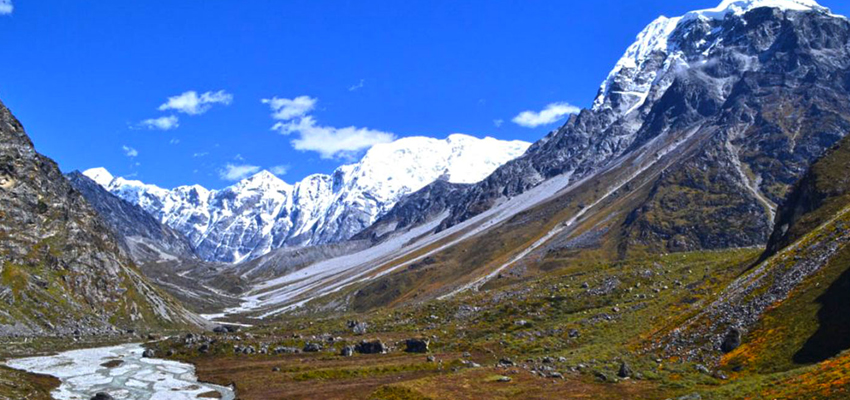
Arguably, the most vibrant time of year. Rhododendrons light up the forests in reds, pinks, and purples. The weather is warm during the day, with clear skies offering uninterrupted views of Langtang Lirung and surrounding peaks. Rivers run full, wildlife is active, and the villages are alive with movement. If you're a nature lover or a photographer, this is your season.
Autumn (September to November)
The most popular time for Langtang region trekking. Post-monsoon clarity brings some of the sharpest mountain views of the year. Temperatures are moderate, trails are in great shape, and visibility is at its peak. Expect other trekkers on the trail, but the atmosphere is festive, especially around major Nepali festivals like Dashain and Tihar.
Winter (December to February)
If you want silence and solitude, this is the time. Temperatures drop, especially above 3,000 meters, and snowfall can make higher passes tricky—but the valley stays open. Snow-dusted villages and frozen streams add magic to the landscape. Treks to Kyanjin Gompa are still possible with proper gear and preparation.
Monsoon (June to August)
This season is for adventurous souls. While rain can make trails muddy and limit visibility, the landscapes are lush, waterfalls roar, and trails are nearly empty. Leech protection and good rain gear are essential. Some side treks may be inaccessible due to landslides or flooding.
Pro Tip: If you're shortlisting based on weather and scenery, spring and autumn are the best time to trek in Langtang region. But if you want a raw, off-season experience—winter treks can be incredibly rewarding too.
Permits You’ll Need for Trekking in Langtang Region
|
Permit
|
Where to Get
|
Cost (Foreigner)
|
Where It’s Checked
|
|
Langtang National Park Entry Permit
|
NTB Office or Dhunche gate
|
NPR 3,000
|
Dhunche, Syabrubesi, park checkpoints
|
|
TIMS Card
|
TAAN or NTB Office
|
NPR 2,000 (individual)
|
Syabrubesi, on-trail checkpoints
|
To trek in the Langtang region, you need two key permits: the Langtang National Park Entry Permit and the TIMS (Trekkers’ Information Management System) Card.
The Langtang National Park Entry Permit allows access to the protected national park area. It costs NPR 3,000 for foreign nationals (around USD 23–25), NPR 1,500 for SAARC nationals, and is free for children under 10. This permit is checked at the park entrance in Dhunche or Syabrubesi, depending on your starting point, and may also be verified at checkpoints like Lama Hotel or Ghodatabela.
You can get this permit in Kathmandu at the Nepal Tourism Board (NTB) office in Bhrikutimandap. Alternatively, you can buy it at the checkpoint in Dhunche, but queues are common there. To apply, bring your passport (plus a copy), a couple of passport-sized photos, and cash in Nepali rupees.
The second permit is the TIMS Card, which is used for trekker registration and safety tracking. It helps authorities locate trekkers in case of emergencies and is mandatory unless you’re a Nepali citizen. If you’re trekking solo, you’ll need the Green TIMS card (NPR 2,000). If you’re going with a registered agency, they’ll provide a Blue TIMS card (NPR 1,000). These are checked at entry points like Syabrubesi or by officers along the trail.
TIMS cards are available from the TAAN (Trekking Agencies’ Association of Nepal) office in Maligaon or the NTB office in Kathmandu. To apply, bring a passport photocopy, two passport-sized photos, and details of your trekking route and emergency contact.
Both permits should be carried at all times during the trek and kept safe from weather damage. Without them, you could be fined or denied entry at checkpoints. It’s always smart to get your permits sorted in Kathmandu before heading out.
Why Langtang is Right for You?
If you’re craving raw Himalayan nature, deep local culture, and real trekking without the Everest crowds or Annapurna buzz, Langtang region trekking is your answer. It’s ideal for travelers who want meaning with their miles. The trails are peaceful, the mountains close, and the human connections unforgettable.
Whether you're aiming for a spiritual journey to Gosaikunda, a high-altitude challenge to Kyanjin Ri, or simply looking for honest adventure off the beaten path, trekking in Langtang delivers in every sense.
For more, read our blog, "Everything you need to know before Trekking to Langtang"
Learn More Before Trekking to Langtang Region
Ultimate Guide to Langtang Trekking
Check Our Other Langtang Trek Variations
Langtang Valley Trekking | Slow & Easy Trek in Langtang | Langtang Gosaikunda Helambu Trek | Gosaikunda Pass Langtang Trek | Langtang Valley Gosaikunda Trekking